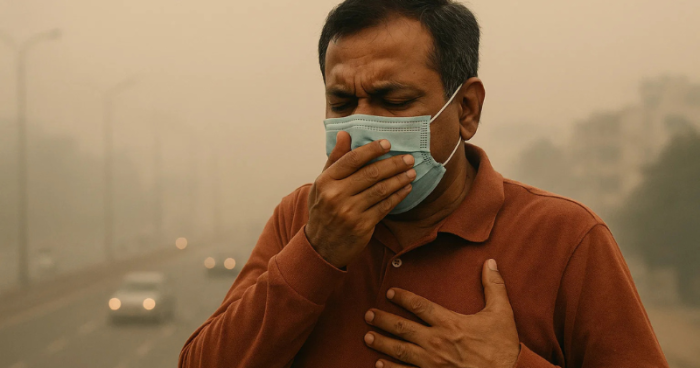
Recent medical studies show that fine particulate matter in polluted air enters the bloodstream, triggering widespread inflammation across the body.
Doctors explain that this inflammation leads to the gradual buildup of fat, calcium, and other deposits inside blood vessels commonly known as atherosclerosis. This dangerous condition increases the risk of heart attacks, strokes, and high blood pressure, putting millions of Pakistanis in polluted regions at long-term risk.
Also Read: Smog worsens: Health advisory issued for children and elderly
Experts emphasize that children, elderly individuals, and people with existing health complications are particularly vulnerable. With cities like Lahore, Faisalabad, and Gujranwala recording extremely high AQI levels, medical professionals warn that the country is facing a looming cardiovascular crisis.
Health specialists urge the government to enforce stricter controls on vehicle emissions, industrial pollution, and low-quality fuels. They also call for greater public awareness, as many citizens remain unaware of how deeply smog affects heart and artery health.
As Pakistan battles intensifying smog and toxic air, experts stress that controlling air pollution in Pakistan is essential to prevent an alarming rise in cardiovascular diseases in the coming years.