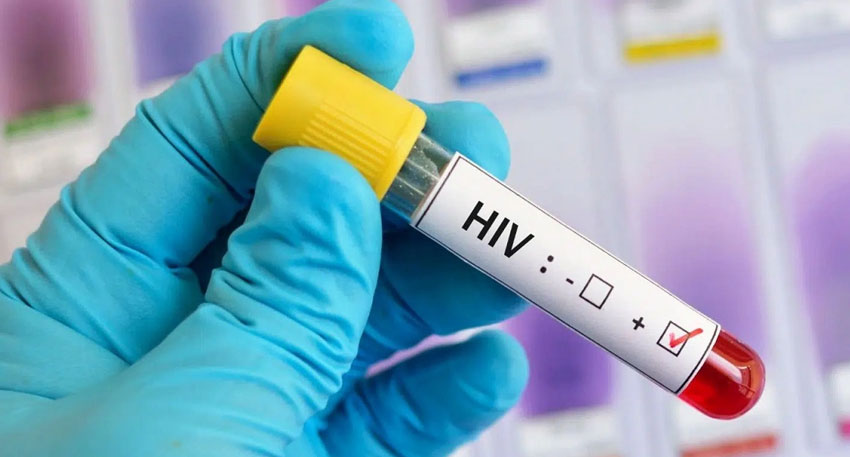
The National Assembly Standing Committee on National Health Services has raised serious alarm over the rapid spread of HIV in Pakistan, revealing that nearly 300,000 people are living with the virus, while only 87,000 cases have been diagnosed and just 34,000 patients are currently receiving treatment.
The issue came under discussion during a meeting at Parliament House chaired by MNA Dr Mahesh Kumar Malani. Committee members described the situation as deeply alarming and called for immediate nationwide testing, stronger prevention strategies, and large-scale public awareness campaigns to control the spread of the disease.
The committee was also informed that none of the private hospitals or dispensaries operating in Islamabad possess valid licences, despite the Islamabad Healthcare Regulatory Authority (IHRA) being functional since 2018. Members strongly criticised IHRA for weak enforcement, lack of a proper licensing framework, and ineffective inspection mechanisms.
Also Read:Pakistan launches Katalyst AI to fight online child abuse
Lawmakers highlighted widespread violations by private healthcare facilities, including unregulated charges, failure to provide charity care, illegal detention of patients over unpaid bills, unsafe disposal of medical waste, operation of illegal clinics, unsafe abortions, and the sale of medicines without prescriptions.
Serious concern was also expressed over unsafe injection practices, reuse of syringes, and reports of HIV-positive newborns, particularly in Sindh. The committee directed the health ministry to clarify these reports and conduct random testing to establish ground realities.
The health ministry attributed the rise in HIV cases to stigma, lack of awareness, and unsafe medical practices. The committee stressed the need for preventive healthcare, lifestyle medicine, and stricter regulation to curb the growing crisis.