

Pakistan watching ‘Dar-e-Nijaat’ less than Indian audiences, says Sherry Rehman
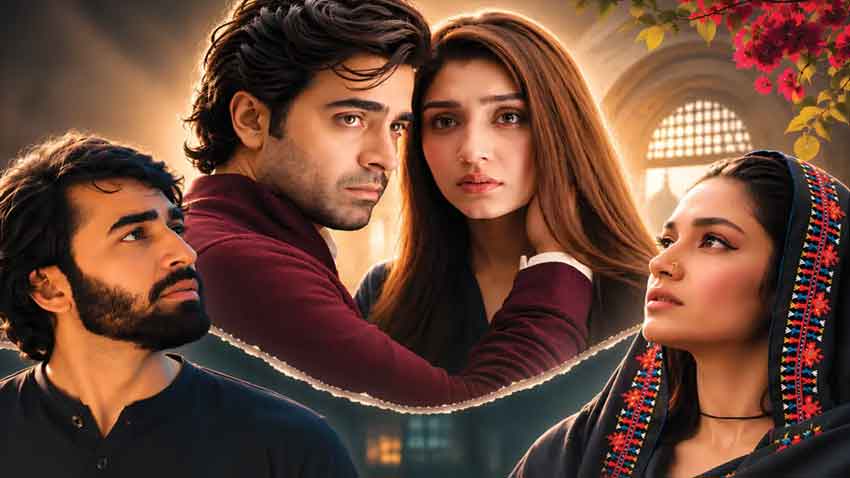
The Pakistan Peoples Party (PPP) vice president said Indian audiences’ reaction to popular Pakistani dramas was surprising, especially when Pakistani viewers have largely moved away from mainstream Indian films.
India’s reported move against Pakistani content
Rehman’s remarks came after reports that India’s Ministry of Information and Broadcasting had asked Netflix to follow an advisory issued on May 8, 2025. The advisory directed streaming platforms to remove Pakistani-origin content, including web series, films, songs and podcasts, in the name of national security.
In a message on X, the senator said cultural differences between Pakistan and India were not new. However, she questioned why some Indian groups were demanding protection from Pakistani entertainment content.
“It almost feels like a huge market of consumers is seeking protection from Pakistani digital content,” she observed, noting that on the other hand, Pakistani audiences “have sadly stopped watching most mainstream Indian films on streaming platforms because the blockbusters now often focus on demonising Pakistan as a cardboard cutout country full of Indian-haters bent on subverting its neighbour.”
Sherry Rehman defends Pakistani dramas
Rehman said Pakistani dramas challenge the negative image of Pakistan often shown in Indian films. She argued that Pakistan’s television industry produces entertainment for its own audiences rather than trying to influence Indian society.
“The Pakistani play industry is just doing its thing: churning out good, bad and mediocre content without thinking about a cultural colonisation of India. In fact, Pakistan is probably watching Dar-e-Nijaat less obsessively than Indian audiences,” she suggested.
She added that Pakistani viewers see entertainment as entertainment, without treating it as a competition between the two countries. She said Pakistan’s entertainment industry mainly focuses on everyday life, local stories, memes, dramas and social media reels.
“We are consuming what is entertainment, or art or culture, as just that. Pakistan is just busy being well, Pakistan. Not using its serials as an exercise in soft power flexing, it is simply doing what it does best: make memes, plays and reels about its own lives,” she added.
Netflix production and Pakistan’s identity
The senator described debates in India over national identity and culture in response to a few popular Pakistani dramas as ‘unreal’. She also clarified that Pakistan’s first Netflix original production was commissioned by Netflix MENA, not Netflix India.
Rehman said no outside organisation or country had the right to decide how Pakistan’s identity, history or regional background should be understood. She also rejected the idea that Pakistani entertainment was being used to target India.
“No, we are not even making plays about missing Rafales. Several global entities and capitals now acknowledge that Pakistan is a peacemaker and solution-seeker to conflict, including the Financial Action Task Force the United Nations, others. Look around. Pretty much everyone,” she asserted.
Hatred does not show national strength
Rehman said nationalism based on hatred and hostility was not a sign of strength. According to her, truly confident nations show their strength through their actions instead of constantly targeting other countries.
She questioned why Pakistani dramas had become such a major subject of debate in India when Pakistan was not equally focused on Indian entertainment. She also said Pakistan generally responds firmly when attacked but does not spend its time developing hatred towards others.
“Pakistan doesn’t even study India like they do us … We act decisively when attacked, but generally Pakistan does a bad job at pathologically hating others.”
Sherry Rehman’s remarks highlight the growing cultural debate between Pakistan and India. Pakistani dramas have attracted viewers beyond Pakistan, but demands to restrict this content have raised questions about cultural exchange and freedom of entertainment.
The issue also shows how television and films can influence public opinion about neighbouring countries. Instead of turning entertainment into a political dispute, both countries could benefit from allowing audiences to make their own choices.
Also read: Dar-e-Nijaat reveals the psychological challenges facing today’s young generation


