Will a nationwide strike disrupt fuel supply? What’s behind 72-hour ultimatum?
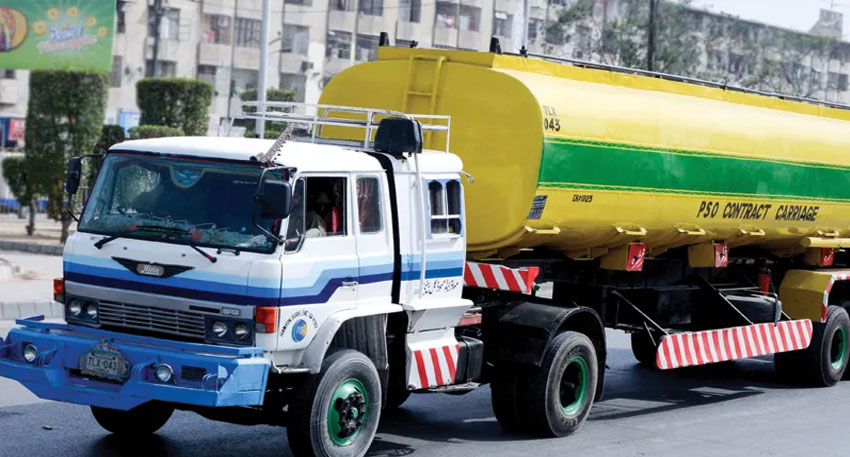
Pakistan oil tankers gave the government a 72-hour ultimatum, warning of a nationwide strike that could disrupt fuel supplies across the country.
The Pakistan Oil Tankers and Contractors Association said it will suspend operations if its demands are not accepted within the given deadline. The association warned that a nationwide strike could affect the transportation of petroleum products across Pakistan.
Speaking at a joint press conference in Karachi, the association’s leaders urged the federal government to immediately resolve long-standing issues facing the oil transport industry. They said the Ministry of Petroleum and the Oil and Gas Regulatory Authority (OGRA) would be responsible for any disruption if talks fail.
The association demanded an end to commercial fuel transportation through pipelines and called for a review of the White Oil Pipeline’s allocation. It argued that the growing use of pipelines has significantly reduced work for road transport operators.
Chairman of the All Pakistan Oil Tankers Owners Association, Abidullah Afridi, said freight charges have remained unchanged for the past three years. He said transporters are struggling despite a 180% increase in motorway and National Highway Authority toll taxes during the same period.
Afridi said the association has been in discussions with the Petroleum Division and OGRA for the past 18 months. He added that repeated requests have not produced any solution, forcing transporters to consider a nationwide shutdown.
General Secretary Shoaib Khan claimed that pipelines are now transporting nearly 80% of petroleum products instead of the agreed 55%. He said this has left many oil tankers without regular work for long periods.
According to him, tanker operators now receive only one trip every two months because of increased pipeline operations. He added that each oil tanker costs between Rs25,000,000 and Rs30,000,000, making it difficult for owners to recover their investment.
Also read: New immigration policy for overseas travellers; what’s Pakistan changing?
Association President Sarfaraz Jadoon said transport charges have not increased despite the sharp rise in operating expenses. He urged the government to end what he described as unfair treatment of transporters and recognise the importance of the road transport sector.
The association warned that if its demands remain unresolved after 72 hours, oil tanker operators across Pakistan will stop work. Such a move could slow fuel deliveries and create supply challenges in different parts of the country.
If negotiations fail, fuel transportation across Pakistan could face serious disruptions. A quick agreement between the government and transporters may help avoid shortages and keep the supply chain running smoothly.