

Wholesale market closure announced as traders protest crackdown
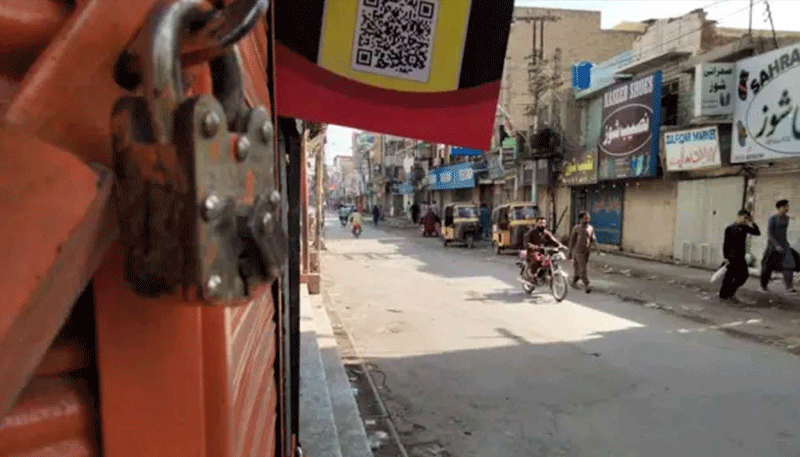
According to reports, the trader community has decided to keep Pakistan’s largest wholesale market closed on Wednesday. The decision comes amid growing tensions over fines, arrests and other enforcement measures against businesses. The move could affect the supply of essential goods across the country.
Karachi Wholesale Grocers Association Chairman Rauf Ibrahim said that wholesale shops in Jodia Bazaar, Lea Market, Dandia Bazaar and Nanak Wara would remain closed. Markets in Landhi, Malir, Korangi and Liaquatabad are also expected to join the shutdown.
He said the closure of the country’s largest wholesale market would impact the movement of goods nationwide. Supplies of various commodities from Jodia Bazaar to other cities are likely to remain suspended during the strike.
Rauf Ibrahim claimed that authorities are using flour prices as a reason to take action against traders. He said arrests, fines, shop sealing and harassment of business owners are unacceptable to the trader community.
The association chairman also alleged irregularities in the fine collection process. He claimed that traders were only being given Easypaisa numbers instead of official fine documents.
According to him, no shopkeeper has received a formal challan paper. He further alleged that traders were being asked to pay fines ranging from Rs50,000 to Rs150,000.
Also read: SpaceX stock hits record low as investors question Elon Musk’s vision
The traders questioned why flour mill owners were not facing similar action. They argued that expensive flour is coming from flour mills and that enforcement measures should also be directed at those responsible for higher prices.
Rauf Ibrahim said several wholesale shops remain sealed despite ongoing concerns raised by traders. He urged authorities to review their policies and engage with business representatives to resolve the dispute.
The planned closure has attracted attention because wholesale markets play a major role in Pakistan’s supply chain. Any prolonged disruption could affect the availability of goods in different parts of the country.
The dispute highlights growing tensions between traders and authorities over price control measures. Both sides may need dialogue to prevent further disruption in markets.
If the shutdown continues for a longer period, supply chains could face difficulties. Consumers and businesses may closely watch whether negotiations lead to a solution.


