

Government collects record Rs3,137bn in petroleum levies
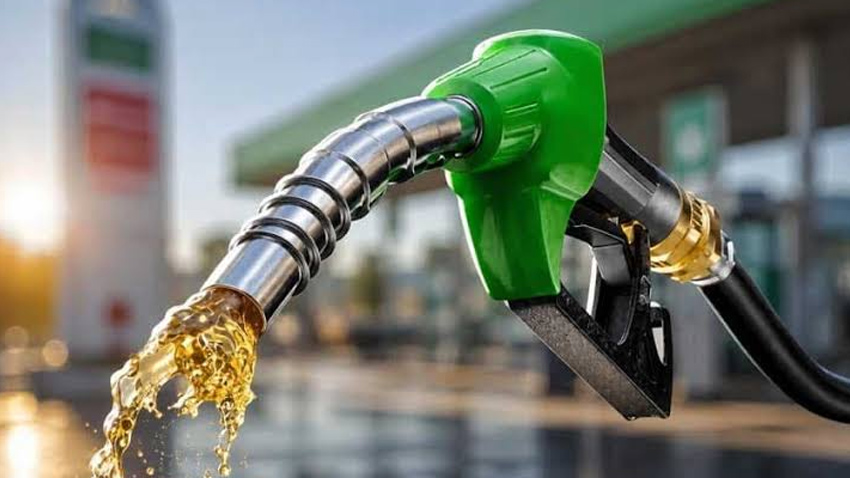
Petrol and diesel prices rise sharply
At the beginning of the current government’s tenure on March 4, 2024, high-speed diesel was priced at Rs287.33 per litre.
The price later climbed to Rs520.35 per litre, representing an increase of Rs233 per litre.
Petrol was priced at Rs279.75 per litre at the start of the government’s tenure.
It later reached Rs458.41 per litre, marking an increase of Rs178.66 per litre from the earlier price.
The sharp rise in fuel prices has placed additional pressure on households, transporters, businesses and other consumers.
Petroleum levy becomes major source of revenue
Government records show that Rs1,567bn was collected through the petroleum levy during fiscal year 2025-26.
More than Rs50bn was also collected separately as a carbon levy on petrol and diesel during the same period.
In fiscal year 2024-25, petroleum levy collection stood at Rs1,220bn, according to figures cited in the government documents.
The collection was also significant during the April-June 2024 quarter, when Rs299.63bn was collected under the petroleum levy.
Official federal budget documents list the petroleum development levy as a major revenue item, underlining its importance to government finances.
Consumers bear the impact
Although the petroleum levy is collected by the government, consumers ultimately feel its impact through fuel prices. Higher fuel prices can affect transportation costs and increase expenses for businesses that depend on petrol and diesel.
Also Read: Diesel price rises by Rs3.74 per litre as petrol becomes cheaper
The effect can also spread to other areas because fuel is widely used to move people and goods across the country. For ordinary consumers, repeated changes in fuel prices can therefore put additional pressure on monthly household budgets.
Rs80 levy imposed on petrol and diesel
At present, a petroleum levy of Rs80 per litre is imposed on both petrol and diesel, according to the information provided in the report. A separate climate support levy of Rs5 per litre is also being collected on each fuel.
These charges are added to the overall cost structure of petroleum products and contribute to government revenue. The Finance Division’s budget documents separately identify the petroleum levy as a revenue source and include it among taxes and other receipts related to energy products.
Fuel prices remain a major concern
The rise in petroleum prices remains a major concern for consumers because fuel costs have a direct impact on daily life.
Motorists have to spend more on travelling when petrol prices increase, while diesel price hikes can raise transportation and delivery costs. Higher operating costs can also affect businesses and industries that rely heavily on fuel. This creates a wider financial impact beyond the price displayed at petrol stations.


