Weekly inflation, measured by the Sensitive Price Indicator, decreased by 0.67 percent for the combined consumption group during the week ended on January 1st 2026, according to the Pakistan Bureau of Statistics.
PBS data showed the SPI for the week stood at 333.96 points, down from 336.22 points last week. On a yearly basis, inflation measured through SPI increased by 2.41 percent.
The SPI covers 51 essential items across 17 urban centres and reflects price changes for all income groups. The index for the lowest consumption group, earning up to Rs17,732, declined by 0.62 percent to 323.98 points.
Similarly, SPI for other income groups including Rs17,733–22,888, Rs22,889–29,517, Rs29,518–44,175 and above Rs44,175 fell between 0.57 percent and 0.73 percent.
Read more: Rupee appreciates against US Dollar while euro and pound slip
Out of 51 items, prices of 12 items increased, 13 items declined, while 26 items remained unchanged during the week.
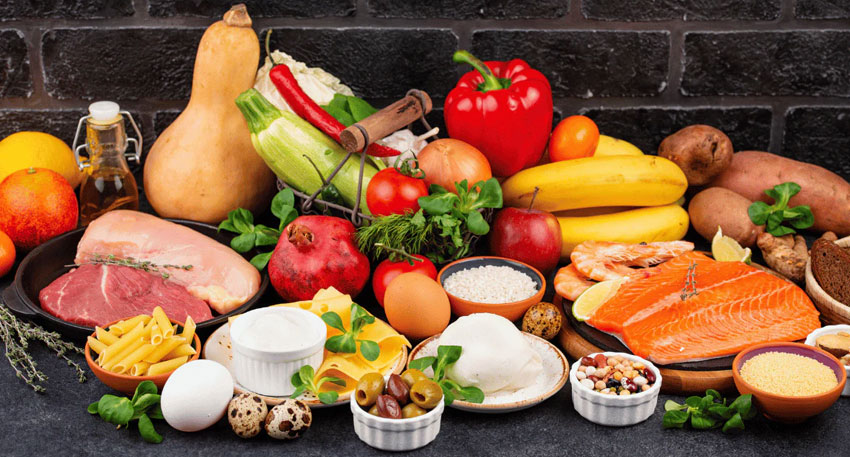
Items that became more expensive included chicken by 2.37 percent, wheat flour by 1.88 percent, tomatoes by 1.72 percent, bananas by 1.13 percent, garlic by 1.11 percent, rice basmati broken by 0.96 percent, rice irri-6/9 by 0.75 percent, vegetable ghee 2.5 kg by 0.44 percent and firewood by 0.01 percent.
On the other hand, prices of onions, potatoes, eggs, petrol, diesel, sugar, pulses, LPG and gur recorded noticeable declines, providing some relief to consumers.
Read more: Petrol and diesel prices drop as New Year relief for public
On a year-on-year basis, major increases were recorded in gas charges for q1, wheat flour, beef, sugar, bananas, gur, firewood, chilies powder, powdered milk, lawn printed cloth, shirting and mutton.
However, items such as tomatoes, potatoes, onions, garlic, pulses, tea packets, LPG and diesel showed sharp year-on-year declines.
Inflation is easing overall but food prices remain uneven. Chicken and flour increases hurt daily budgets. Falling fuel and vegetable prices offer partial relief. Households still face uncertainty in food costs.