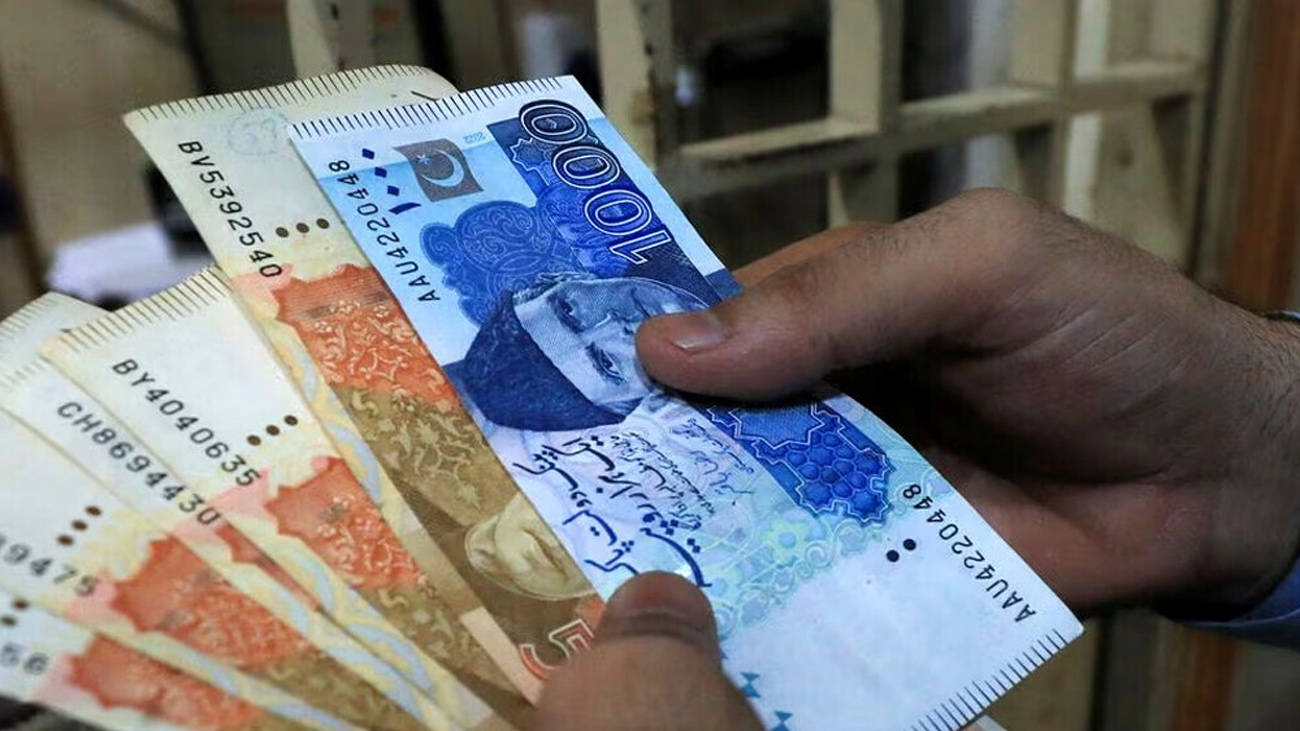
To support exports, the government introduced duty drawbacks of 3% for coarse rice and 9% for basmati, allocating approximately Rs. 15 billion for rebates. However, exporters argue that these incentives have unintentionally driven up domestic prices, making Pakistani rice less competitive in global markets.
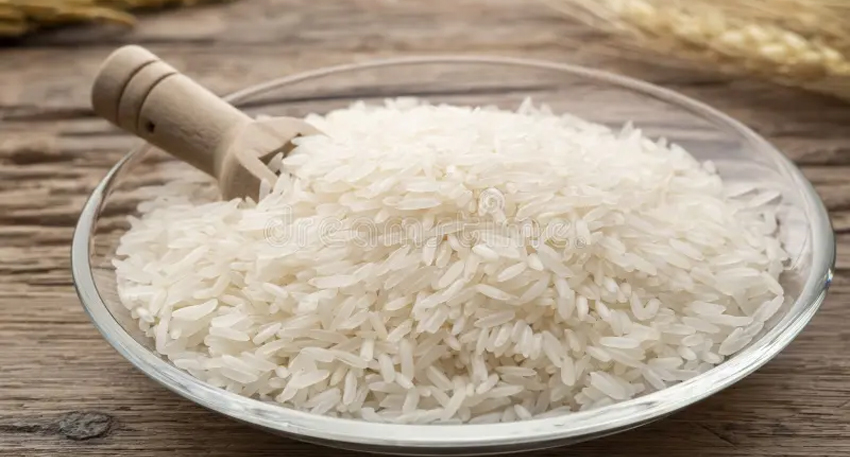
According to data from the Pakistan Bureau of Statistics, basmati exports declined by 19.21% in value and 27.98% in volume during February. Meanwhile, coarse rice exports saw an even sharper drop, falling by 42.50% in value and 32.94% in quantity.
Exporters have attributed this decline to high domestic prices and widespread hoarding. They also pointed out that many exporters prioritize meeting export refinance targets rather than investing in efficient supply chains or developing value-added products. Items such as rice flour, rice-based snacks, rice glucose, and other byproducts remain largely underdeveloped, limiting the sector’s growth potential.
Also Read: Eid Price Hike: Cooking oil and ghee become costlier across Pakistan
A major exporter stated that rebates offered at ports cannot compensate for weak farm level productivity. He emphasized that sustainable export growth depends on improving agricultural output and reducing the cost burden on farmers, rather than relying solely on post-harvest financial incentives.
Industry stakeholders further stressed that long-term growth requires significant improvements in farming practices. These include better seed quality, efficient irrigation systems, and lower costs for fertilizers, energy, and other agricultural inputs. Without addressing these structural challenges, exporters believe that subsidies alone will have only a limited impact on boosting rice exports and ensuring competitiveness in international markets.