

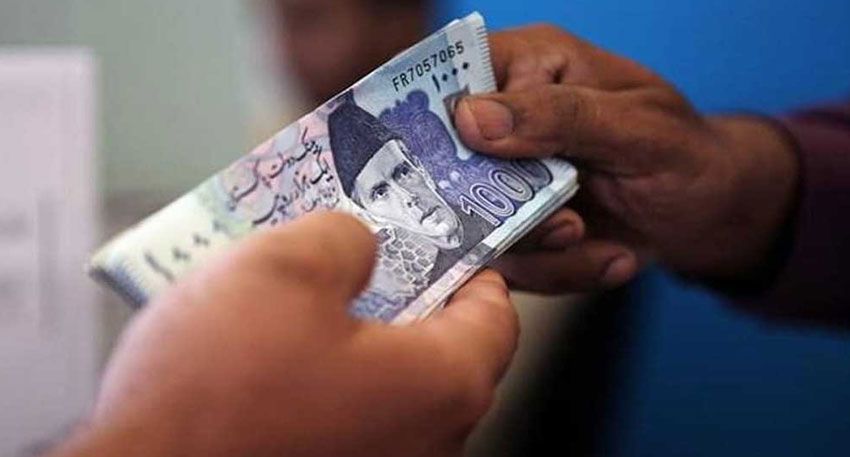
The government has decided to reduce the salaries of employees working in state-owned enterprises and autonomous institutions that operate under government patronage. The cuts will range from 5pc to 30pc depending on the salary structure.
The decision was taken during a high-level meeting chaired by Prime Minister Shehbaz Sharif, where officials reviewed the impact of rising petroleum prices and discussed the implementation of austerity measures.
According to an official statement, “It was decided in the meeting that, like government employees, there will be a 5-30pc cut in the salaries of employees of state-owned enterprises and autonomous institutions under government patronage.”
Officials said the savings generated through these austerity steps will be used only for public relief. The move comes as Pakistan faces economic pressure due to rising global oil prices linked to the conflict involving the United States, Israel, and Iran.
Read more: Iran destroys five US Air Force refueling planes at Saudi base: American media
The meeting was attended by several senior officials including Finance Minister Muhammad Aurangzeb, Petroleum Minister Ali Pervaiz Malik, Information Minister Attaullah Tarar, and Minister of State for Finance Bilal Azhar Kayani.
Authorities also reviewed earlier austerity measures. It was confirmed that the four-day work week will not apply to law enforcement agencies or the Federal Board of Revenue, which will continue their routine duties.
Officials said a third-party audit will be conducted within two months to review the decision to ground 60pc of government vehicles and reduce fuel allocations for official transport by 50pc.
The government has already imposed a complete ban on purchasing new vehicles and restricted other government expenditures as part of the austerity programme.
In addition, the next two months’ salaries of cabinet members, ministers, advisers, and special assistants will also be saved and redirected for public welfare.
The government has also banned foreign visits by ministers and senior officials. Instead, online meetings and teleconferencing will be used to handle official discussions.
Prime Minister Shehbaz Sharif directed all Pakistani embassies to celebrate Pakistan Day on March 23 with simplicity as part of the cost-cutting campaign.
Officials explained that these steps were necessary because global energy prices have risen sharply after tensions in the Middle East and disruptions to oil supply routes such as the Strait of Hormuz.
Last week, the government increased petrol and diesel prices by Rs55 per litre due to the surge in international oil prices. However, the latest weekly fuel price review kept prices unchanged despite global market fluctuations.
Read more: Metro bus fares increased across Punjab as fuel prices surge
Meanwhile, another meeting chaired by Finance Minister Muhammad Aurangzeb reviewed petroleum stock levels across the country.
Officials said Pakistan currently has comfortable reserves of crude oil and refined petroleum products. They also confirmed that additional shipments are on the way to strengthen national fuel supplies.
The government is trying to save money during an economic crisis. Cutting salaries and spending may help reduce pressure on the budget. But these steps may also create concern among employees working in state institutions.


