

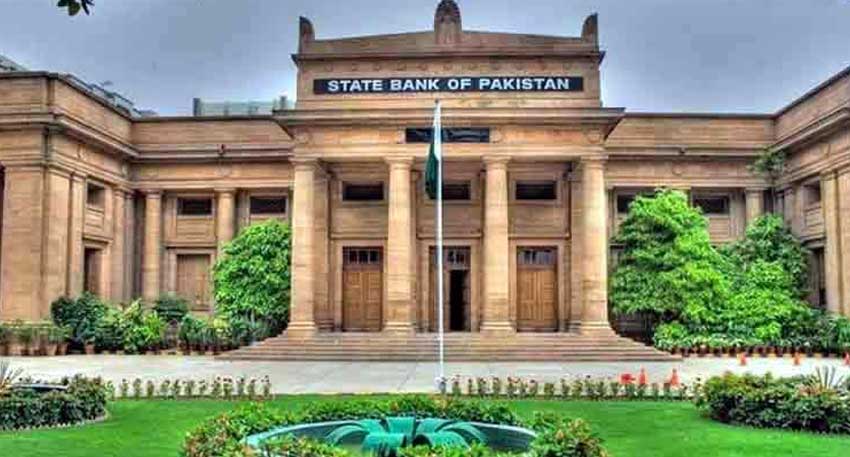
In the Monetary Policy Statement, the State Bank said that while headline inflation was 5.6pc in December 2025, core inflation steadied around a higher level of 7.4pc.
Read more: Shaukat Khanum issues urgent message on Imran Khan’s eye condition
During its Monetary Policy Committee (MPC) meeting, it was noted that this improved upon earlier estimates of GDP growth, now projecting it in the range of 3.75-4.75pc for FY2026, expecting this momentum to strengthen further in FY2027, supported by the unfolding earlier reduction in the policy rate.
During the meeting, they also noted that consumer and business confidence improved, and inflation expectations of these stakeholders eased. Furthermore, the State Bank’s forex reserves surpassed the end-December target, reaching $16.1 billion as of January 16, led by SBP’s ongoing forex purchases.
The the MPC said that the continued uptick in worker remittances and supportive global commodity prices are expected to contain the current account in the range of 0 to 1 pc of the GDP in FY2026. Based on this and official inflows, the SBP’s forex reserves were expected to surpass $18 billion by June 2026 and rise further in FY2027, nearing the 3-month import cover benchmark. However, the committee noted that this outcome was susceptible to some major risks from global trade fragmentation and geopolitical uncertainty.
Since the last MPC meeting, broad money grew to 16.3 percent by early January, driven by stronger private sector credit and government borrowing.
Private credit expanded by Rs578 billion during FY2026 (till January 9), with textiles, wholesale and retail trade, chemicals, and consumer financing leading.
The State Bank has decided to lower the average cash reserve requirement from 6.0 percent to 5.0 percent to support credit growth.
The SBP body also noted that the IMF had slightly upgraded Pakistan’s global growth forecast for FY2026, while highlighting risks from elevated global tariff uncertainty and volatile commodity prices.
Read more: EU and India sign ‘mother of all’ trade deal after decades of talks
Because of these developments, the MPC maintained the real policy rate to stabilize inflation within the target range of 5 to 7pc over the medium term. The committee also emphasised the need for a coordinated and prudent monetary and fiscal policy mix, along with structural reforms to enhance productivity, to increase exports, and achieve high growth on a sustainable basis.
During the last MPC meeting, the central bank revised its benchmark rate to 10.5 per cent, a 50-basis-point reduction, noting that inflation remained within the 5-7 per cent target range on average during July-November of the 2026 fiscal year, though it said core inflation proved relatively sticky.
Meanwhile, FBR tax revenues grew by only 9.5pc, well below last year’s pace of 26pc and the annual target, resulting in a shortfall of Rs329 billion. This implied a steep revenue acceleration would be needed in the second half of FY2026. Contained expenditures, particularly lower interest payments, had helped improve the overall fiscal balance and support the full-year fiscal deficit target.
This implied a steep revenue acceleration would be needed in the second half of the year. Contained expenditures, particularly lower interest payments, had helped improve the overall fiscal balance and support the full-year fiscal deficit target. However, achieving the annual primary surplus target remained challenging, underscoring the need for sustained fiscal consolidation and discipline for the economy to grow on a sustainable basis.


