

SBP holds interest rate at 11.5pc as global tensions rise
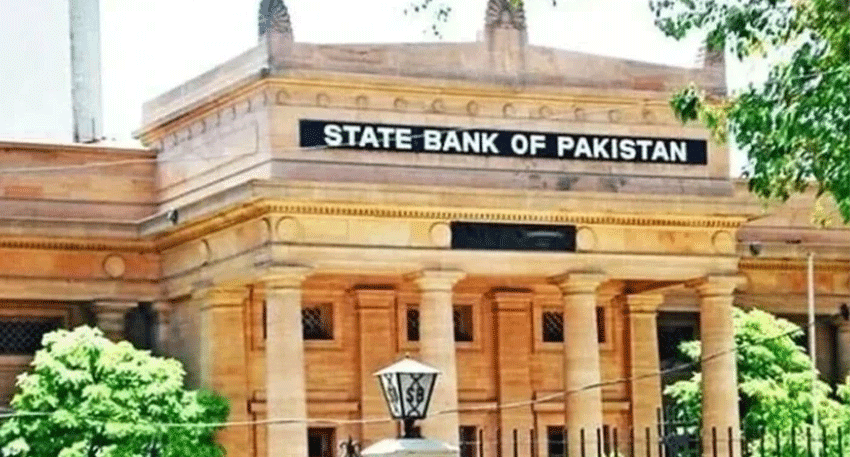
The State Bank of Pakistan’s Monetary Policy Committee (MPC) has decided to keep the key policy rate unchanged at 11.5 per cent.
The decision was taken on Monday through a majority vote, with seven of the committee’s 10 members supporting the status quo.
The central bank’s decision comes as rising tensions in the Middle East continue to affect global oil prices, shipping routes and supply chains.
Pakistan, which depends heavily on imported energy, could face higher import costs if oil prices remain elevated.
The MPC said recent domestic economic data had largely remained in line with its expectations. However, it warned that uncertainty around the economic outlook had increased because of the worsening geopolitical situation.
Inflation remains a key concern
According to the MPC, headline inflation rose to 11.1pc year-on-year in August, compared with 9.2pc in July.
Although inflation increased, the committee noted that core inflation was slightly lower than expected. Core inflation excludes some volatile items and is closely watched to understand underlying price pressures.
The central bank said the current policy rate was appropriate for guiding inflation towards its medium-term target range of 5-7pc.
However, the rise in inflation has raised concerns about household purchasing power and the cost of essential goods.
Weekly inflation also showed pressure on consumers. The Sensitive Price Indicator (SPI), which tracks weekly changes in the prices of essential items, increased 8.62pc year-on-year during the week ending September 10.
The increase was mainly linked to higher prices of onions and petroleum products.
Middle East conflict creates fresh risks
The MPC highlighted the recent escalation in the Middle East conflict as a major external risk.
The tensions have pushed global commodity prices higher and caused continued disruption to supply chains.
Renewed US-Iran hostilities and the possibility of shipping disruptions through the Strait of Hormuz have kept oil prices high.
The Strait of Hormuz is a key global shipping route through which a large share of the world’s oil supplies passes. Any disruption could increase energy costs for countries that import fuel, including Pakistan.
Higher oil prices can raise the cost of transportation, electricity generation and industrial production. They can also increase pressure on the country’s import bill and inflation rate.
The MPC said geopolitical developments and weather-related disruptions had become more frequent, creating additional risks for Pakistan’s economic outlook.
Foreign reserves and external account improve
The central bank also pointed to improvements in Pakistan’s external position.
It noted that Moody’s had upgraded Pakistan’s sovereign credit rating to B3 with a stable outlook.
The MPC also said Pakistan had returned to international capital markets and raised $3bn through Eurobonds.
As a result, the country’s foreign exchange reserves increased to more than $21bn.
The committee said external account pressures had remained contained, supported by strong workers’ remittances and increased financial inflows.
Remittances from overseas Pakistanis remain an important source of foreign exchange for the country. They help support the balance of payments and reduce pressure on the current account.
Despite these improvements, the central bank stressed that global developments could still affect Pakistan’s external stability.
Also Read:Oil prices rise as supply fears deepen
Economic activity shows signs of recovery
The MPC observed that economic activity had picked up, based on recent high-frequency indicators.
However, large-scale manufacturing recorded a decline of 3.5pc in June.
The committee said this brought cumulative growth for fiscal year 2026 to 5pc.
Large-scale manufacturing is an important part of Pakistan’s economy because it supports employment, exports, tax collection and industrial demand.
The decline in June suggests that some industries are still facing difficulties, including high production costs, weak demand and supply-side challenges.
At the same time, the broader improvement in economic activity indicates that some sectors may be recovering after a period of economic pressure.
The central bank will likely continue monitoring industrial output, consumer demand and investment trends before making its next policy decision.
Fiscal position and government finances
The MPC also highlighted progress in fiscal consolidation during fiscal year 2026.
It said fiscal consolidation had exceeded the budgetary target, indicating that the government’s efforts to control spending and improve revenue collection had produced better-than-expected results.
The Federal Board of Revenue’s collection remained on target during July and August of fiscal year 2027, according to the statement.
The committee also noted that the SBP transferred Rs1.9 trillion in profit to the government, compared with the budgeted amount of Rs1.4 trillion.
Higher-than-expected profit transfers can provide additional support to government finances. However, sustainable revenue growth and better spending management remain important for long-term fiscal stability.
The central bank stressed the need for a balanced monetary and fiscal policy approach.


