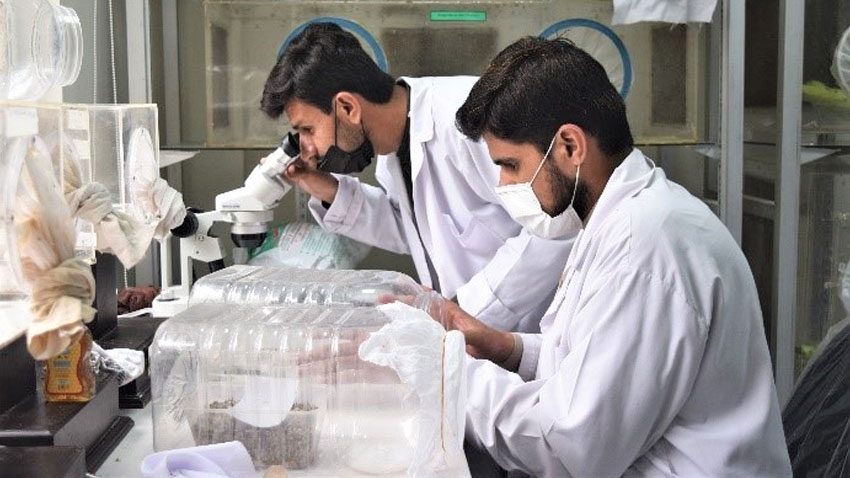
Punjab Chief Minister Maryam Nawaz chaired a special meeting on agriculture reforms and approved a major increase in the monthly stipend for agriculture interns to Rs70,000. Officials also briefed the meeting about export orders of more than 500,000 tons for potato farmers.
In a landmark step, it was decided to introduce Punjab’s first "روف ٹاپ ہائیڈرو پونک" project. Under this plan, 280 to 350 plants can be grown on a two marla rooftop. With special structures and polythene sheets, more than 10 types of vegetables can be cultivated at home. The "ہائیڈروپونک" project can increase vegetable production up to 32 times. Ten pilot projects will be launched in Lahore housing societies.
Read more: Govt and opposition talks begin as political ice starts melting
The chief minister also approved solarisation of 10,000 diesel tube wells and set a target to distribute 28,000 super seeders by 2028. Under the Green Tractor Program Phase Four, a subsidy of Rs1,500,000 will be given on high horsepower tractors, while subsidy on low horsepower tractors has been increased from Rs500,000 to Rs700,000.
A new "آن فارم رین ہارویسٹنگ" project will also introduce ground recharge wells to store rainwater. Under the internship program, contact was made with 1,500,000 farmers, 497 students secured private jobs and 102 started their own businesses.
Under "اپنا کھیت، اپنا روزگار", financial support of Rs50,000 per acre will be provided, along with land development and water storage assistance.
These reforms show strong focus on agriculture. Higher stipends may attract young graduates. Subsidies can reduce farmers’ costs. If projects are implemented properly, rural income may improve significantly.