

Govt pulls plug on PASSCO with Rs4.2bn farewell package
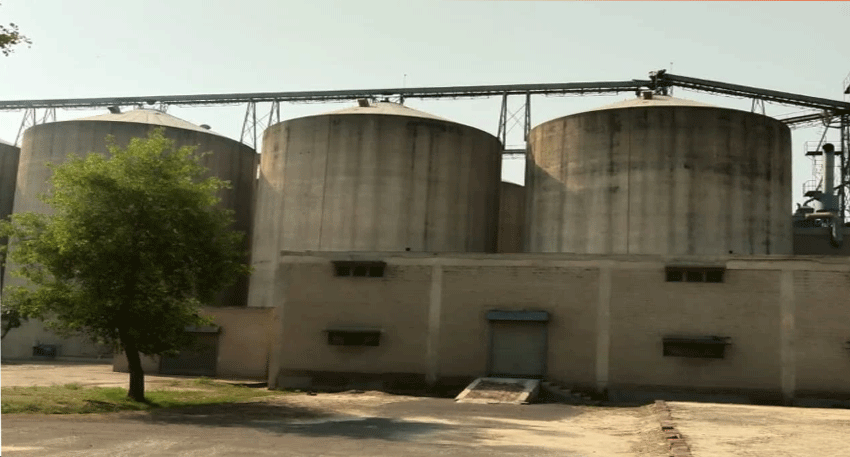
The decision came during Thursday's ECC meeting, chaired by Finance Minister Muhammad Aurangzeb, which also approved a summary for the auction of 8,197.989 metric tons of flood-damaged PASSCO wheat.
What was approved: The wheat auction will proceed through an open and transparent competitive bidding process, subject to third-party validation, aimed at limiting further losses and disposing of damaged stock cleanly. Separately, the Rs4.188 billion severance package will fund compensation and terminal benefits for eligible PASSCO employees as part of the corporation's orderly wind-down.
The push to dissolve PASSCO traces back to the Prime Minister's Office directions issued on 12 September 2024, 21 March 2025, and 25 August 2025, calling for a structured winding up of the corporation and a new mechanism for managing strategic wheat reserves.
Also Read: Gold prices continue to fall in Pakistan and global markets
A finance-ministry-led committee met repeatedly through September and October 2025 to work out how to settle PASSCO's liabilities, dispose of its wheat stocks, and formally close the books on the corporation.
PASSCO's total liabilities stand at Rs527.664 billion, of which roughly Rs121 billion is expected to remain unpaid even after all adjustments are made. To bridge that gap, the government is setting up a new entity, the Wheat Stocks Management Company Public Limited, to be incorporated under Section 32 of the Companies Act 2017.
This entity is tasked with raising long-term financing from banks to clear what PASSCO leaves behind. The Centre will then repay that debt through annual budget allocations spread over five to seven years.
What's next: With the severance package and wheat auction now approved, attention shifts to the incorporation of the new Wheat Stocks Management Company and how quickly PASSCO's remaining assets and liabilities can be transferred off the government's books. Employees await details on individual payouts, while questions remain over how the federal government will manage strategic wheat reserves once PASSCO formally ceases to exist.


