The conflict began over the weekend with US and Israeli air strikes on Tehran, which killed Iranian Supreme Leader Ali Khamenei. Iran retaliated with missile attacks on Israel and US bases across the Middle East, further raising regional tensions.
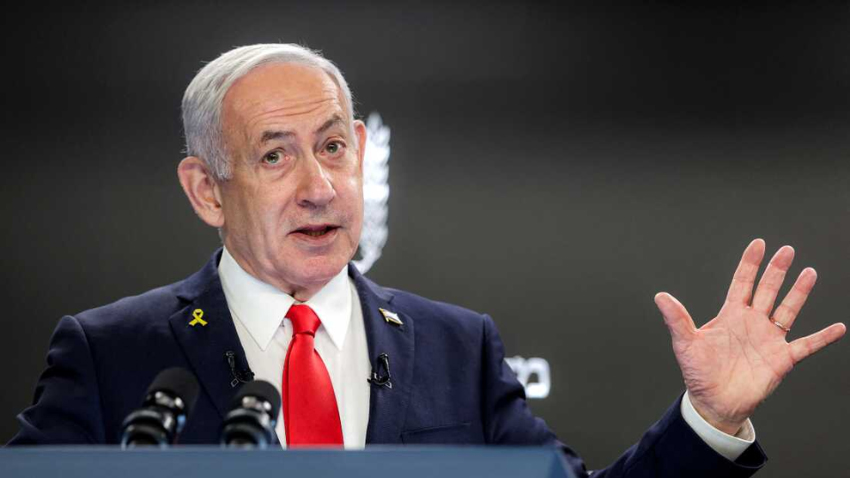
President Donald Trump initially said the war could last four to five weeks, but later left open the possibility of a longer campaign. Netanyahu, however, rejected the idea of a prolonged conflict like previous wars in Iraq and Afghanistan, calling it potentially quick and decisive.
Netanyahu also framed the strikes as an opportunity for lasting peace in the region, including potential improvement in Israel-Saudi relations. He said the war could create conditions for the Iranian people to challenge their government, though the ultimate decision rests with Iran’s citizens.
Must Read: 500 Israeli and US military, strategic sites hit in escalating war, Iran claims
Polls suggest American public support for the strikes is limited, with only one in four approving of US actions against Iran. Netanyahu emphasized that the war aims to prevent Iran from developing nuclear weapons and to limit its long-range missile program, which Tehran denies pursuing.
The conflict marks a significant shift in US foreign policy, with direct military action following Trump’s earlier “America First” rhetoric. Israel remains the only nuclear-armed country in the Middle East, alongside the US, raising concerns about potential escalation.