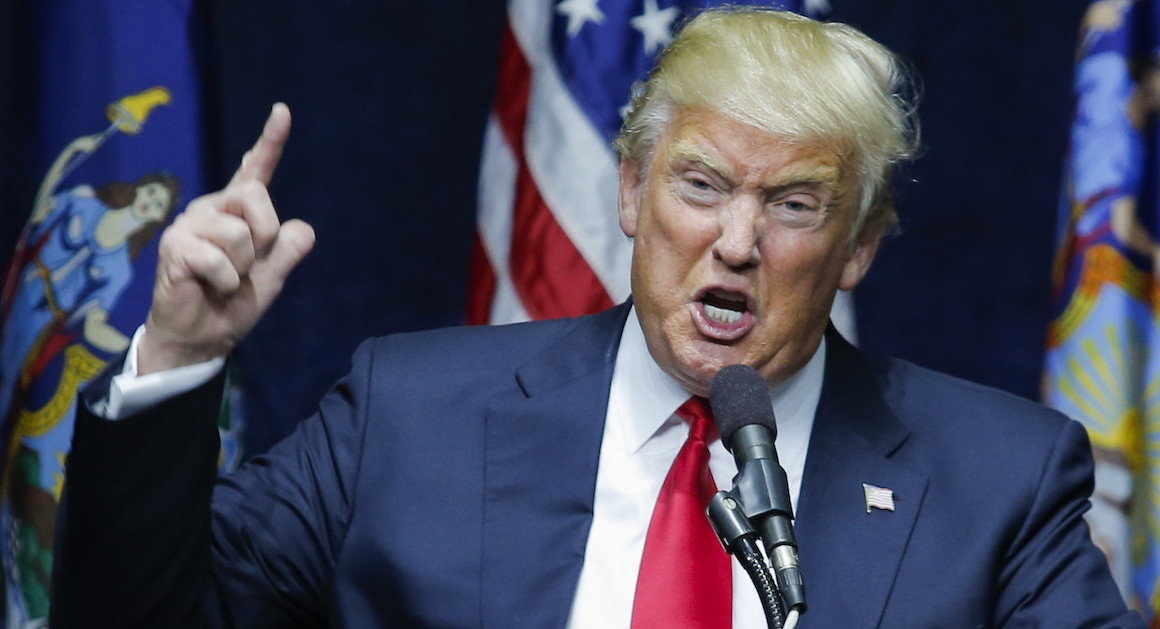
Donald Trump has issued a stark warning ahead of high-stakes Iran US talks in Islamabad, claiming that Iran’s survival depends entirely on ongoing negotiations with the United States.
As US-Iran negotiations in Islamabad enter a decisive phase, Trump said the outcome of the talks will be known within the next 24 hours, increasing global anticipation over whether diplomacy will succeed or tensions will escalate further.
In an interview with New York Post, Trump warned that failure of the talks could trigger intensified US military action against Iran. His remarks underscore the high-risk nature of the diplomatic engagement and the possibility of a sharp escalation if negotiations collapse.
Trump also asserted that Iran lacks meaningful strategic leverage, stating that Tehran “has no real cards to play” beyond its ability to disrupt the Strait of Hormuz—a critical global energy route through which a significant portion of the world’s oil supply passes.
Also Read: Iran US Talks: Iran says no trust in US, sets preconditions
He described this leverage as short-term economic pressure rather than sustainable geopolitical strength, adding that the United States would not allow Iran to impose restrictions or “tolls” on ships transiting the waterway. Trump further claimed that the Strait would “open up automatically” under US action if necessary.
Posting on Truth Social, Trump reiterated that Iran “doesn’t seem to realise they have no cards,” suggesting that its strategy revolves around temporary disruption of global trade routes rather than long-term influence.
The US president also criticized Iran’s communication strategy, alleging that the country is more focused on media narratives and public relations than military strength. He maintained that negotiations remain the only reason Iran has avoided severe consequences so far.
Meanwhile, diplomatic activity has intensified in Islamabad, where Iranian and US officials are expected to engage in critical discussions aimed at easing tensions, addressing security concerns, and stabilizing the region.
The Strait of Hormuz remains central to these negotiations, as any disruption to the vital maritime corridor could trigger global oil price volatility and impact international shipping. Analysts believe Iran’s influence over the strait continues to serve as a key bargaining chip in its dealings with world powers.
Global observers are closely monitoring the Islamabad talks, viewing them as a potential turning point in US-Iran relations. Experts warn that a breakdown in negotiations could escalate conflict, while a successful outcome may pave the way for de-escalation and renewed diplomatic engagement.