The statement came after weeks of intense conflict that raised global concerns about security in the Middle East and disruptions to world energy supplies.
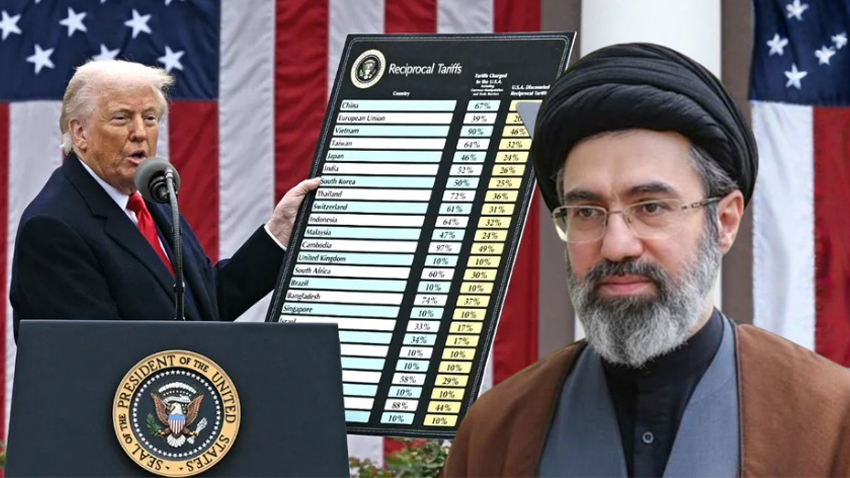
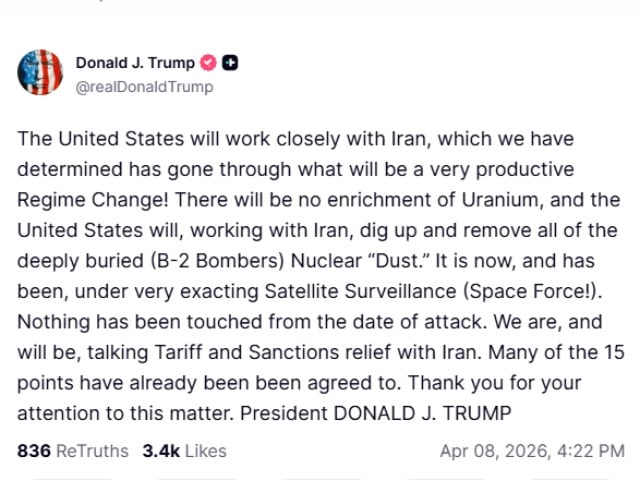
Trump made the announcement on social media, saying the United States would begin talks with Iran about easing economic restrictions. “We are, and will be, talking tariff and sanctions relief with Iran,” Trump wrote.
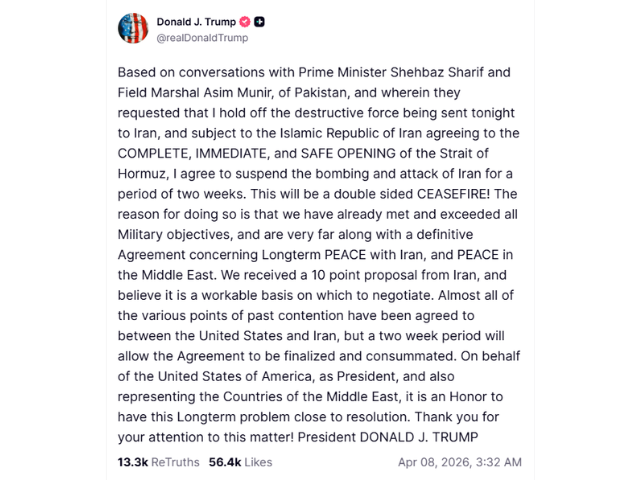
The ceasefire agreement was reached shortly before a deadline set by the US president for Iran to reopen the Strait of Hormuz, a vital global oil shipping route. Trump had earlier warned that if the waterway remained blocked, the United States could launch major strikes against Iranian infrastructure. However, the situation changed after both sides agreed to temporarily stop hostilities.
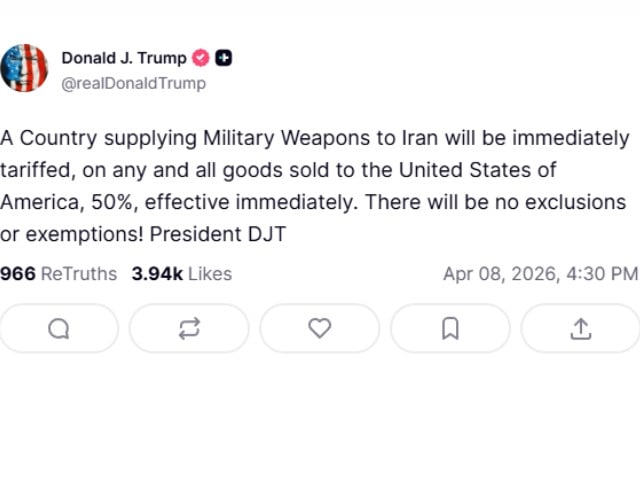
According to Trump, the US administration will work closely with Iran while discussing a broader agreement aimed at long-term peace. He also claimed that several issues in a potential deal had already been settled, though key disagreements between Washington and Tehran still remain. At the same time, Trump issued a warning to other countries that might support Iran militarily.
He said any country supplying weapons to Iran would face immediate tariffs of 50% on all goods exported to the United States. “A Country supplying Military Weapons to Iran will be immediately tariffed, on any and all goods sold to the United States of America, 50%, effective immediately,” Trump wrote.
Earlier, Pakistan played a role in facilitating the ceasefire after diplomatic efforts encouraged both sides to halt the conflict.
Prime Minister Shehbaz Sharif also invited US and Iranian delegations to Islamabad for further negotiations aimed at reaching a final agreement. Trump described the ceasefire as “a big day for World Peace” and said both countries appeared ready to move toward dialogue.
Iran’s Foreign Minister Abbas Araghchi also said Tehran would pause counter-attacks and allow safe passage through the Strait of Hormuz. The war, which lasted several weeks, caused heavy casualties across multiple countries.
Reports suggest more than 5,000 people were killed, including about 1,600 civilians in Iran and over 1,000 civilians in Lebanon. The conflict had also damaged several military aircraft and critical infrastructure in the region.
Despite the ceasefire, analysts say major disagreements between the United States and Iran still need to be resolved before a lasting peace agreement can be achieved.