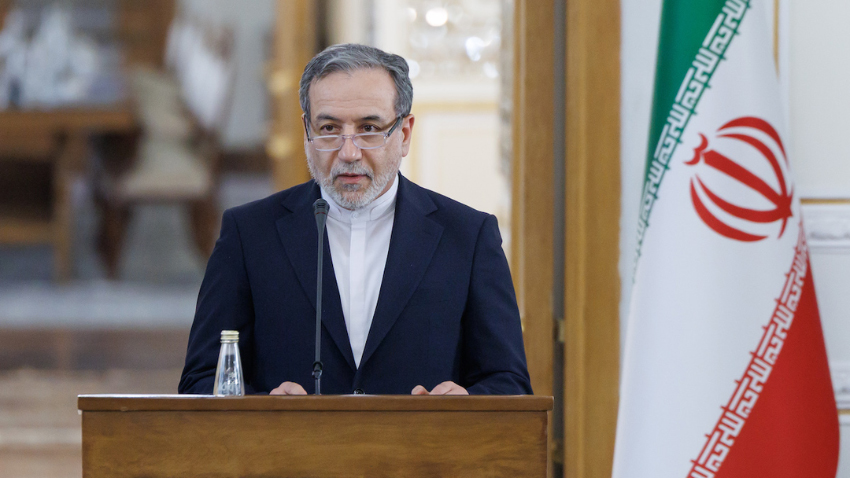
In a statement shared on social media platform X, Araghchi said Iran’s position was being misrepresented by some international media outlets. He emphasized that Iran remains open to dialogue aimed at ending the ongoing conflict.
He added that Iran is grateful to Pakistan for its diplomatic efforts and has no objection to attending talks in Islamabad. However, he stressed that Iran is focused on reaching a fair and lasting solution to what he described as an imposed conflict.
Araghchi also expressed appreciation by writing “Long Live Pakistan” in Urdu, praising the country’s efforts to promote peace in the Middle East.
Iran's position is being misrepresented by U.S. media.
— Seyed Abbas Araghchi (@araghchi) April 4, 2026
We are deeply grateful to Pakistan for its efforts and have never refused to go to Islamabad. What we care about are the terms of a conclusive and lasting END to the illegal war that is imposed on us.
پاکستان زنده باد pic.twitter.com/AUjBQxOFyA
In addition, he warned about the risks of radioactive fallout following reported strikes on Iran’s Bushehr nuclear plant. He compared the situation to concerns raised in the past over nuclear facilities in conflict zones, stating that such attacks could endanger lives beyond the immediate region.
He further claimed that repeated strikes on Iran’s energy and petrochemical facilities indicate broader strategic intentions behind such actions.
Must Read: Oil prices surge globally, raising fears of inflation in Pakistan
Pakistan has recently been active diplomatically, hosting countries such as Saudi Arabia, Turkey, and Egypt for discussions on the Iran-related conflict. These talks focused on reducing tensions and exploring peaceful solutions, although no breakthrough was achieved.
Meanwhile, Pakistan’s Ministry of Foreign Affairs spokesperson Tahir Andrabi rejected reports and claims attributed to unnamed official sources regarding the conflict and Pakistan’s diplomatic efforts. He described such claims as baseless and misleading.
The spokesperson said that several media reports and social media posts had misrepresented official briefings, including statements that were neither discussed nor shared in official communications.
He urged media organizations to avoid speculation and rely only on verified and official statements. He also emphasized that, in a sensitive regional environment, responsible reporting and careful diplomacy are essential to prevent misinformation and misunderstanding.