Iran has formally unveiled a comprehensive 10-point proposal to be discussed with the United States during upcoming negotiations in Pakistan, following a reported ceasefire breakthrough between the two sides.
According to Iranian state media, the framework outlines sweeping political, military, and economic conditions aimed at ending regional conflicts and securing long-term guarantees for Iran’s security and sovereignty.
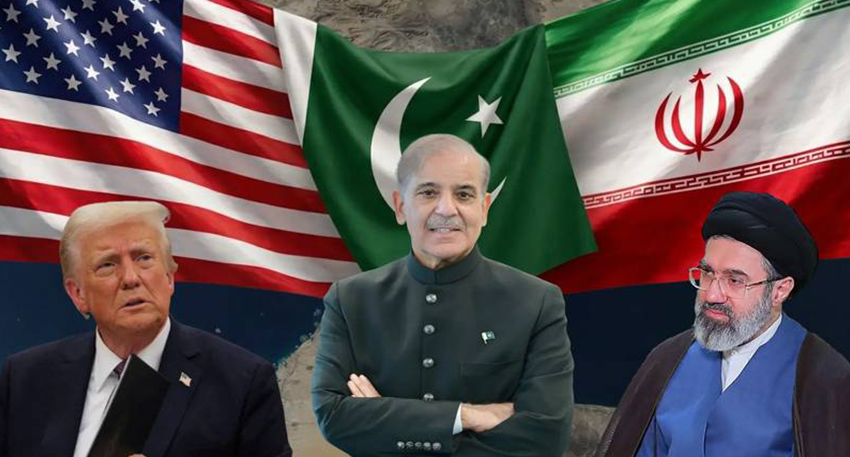
The proposal is expected to form the core agenda of the upcoming US-Iran peace talks in Islamabad, hosted under Pakistan’s mediation.
Key Demands in Iran’s 10-Point Peace Agenda
Iran’s proposal includes far-reaching demands designed to reshape regional security dynamics:
- End to wars in Iraq, Lebanon, and Yemen – Iran demands a complete halt to proxy conflicts involving regional and allied forces to stabilize conflict zones.
- Permanent end to war against Iran – Tehran seeks a long-term guarantee that all military operations against Iran will stop without conditions or time limits.
- End of all regional conflicts – Calls for wider Middle East de-escalation, preventing any new military actions against Iran’s allies.
- Reopening of the Strait of Hormuz – Iran proposes full reopening of the key global oil shipping route under agreed terms.
- Safe maritime passage protocol – A formal navigation system is proposed to ensure secure shipping in the Strait of Hormuz.
- Compensation for war damage – Iran demands financial reparations for destruction and economic losses caused during the conflict.
- Lifting of all sanctions – Calls for complete removal of US and allied economic sanctions on banking, oil, and trade.
- Release of frozen assets – Iran seeks immediate unfreezing and return of its overseas financial holdings.
- No nuclear weapons guarantee – Iran agrees to assurances that it will not pursue nuclear weapons in return for concessions.
- Immediate ceasefire implementation – A full ceasefire to take effect instantly once all agreed terms are accepted.
Iran says these conditions are designed to establish a binding long-term peace framework and eliminate future threats.
Also Read: Trump accepts Pakistan’s proposal, delays Iran attack deadline by 2 weeks
US Agrees to Discuss Iran Proposal in Pakistan Talks
Iranian officials claim the United States has agreed to engage on the proposed framework during negotiations in Islamabad, marking a significant shift in US-Iran diplomatic relations.
The development follows weeks of conflict and behind-the-scenes diplomacy involving global intermediaries, including Pakistan.
Pakistan’s Role as Host of “Islamabad Peace Talks”
Prime Minister Shehbaz Sharif has formally invited delegations from both countries to participate in high-level negotiations in Islamabad scheduled for April 10, 2026.
He described the ceasefire and diplomatic progress as a “wise and historic step”, praising both sides for showing restraint and diplomatic maturity.
Pakistan’s leadership has positioned the “Islamabad Talks” as a platform for achieving a final and lasting peace agreement.
Iran Claims Strategic Gains and Negotiation Strength
Iran’s Supreme National Security Council stated that the country’s military resistance over recent weeks led to significant strategic outcomes, enabling Tehran to push forward its core demands.
The council also rejected prior US deadlines and ultimatums, stating they held no relevance in Tehran’s decision-making process.
Officials emphasized that Iran entered negotiations from a position of strength rather than concession.
Strait of Hormuz and Sanctions Central to Negotiations
Two of the most critical issues in the proposed agreement are:
- Control and security of the Strait of Hormuz, a vital global oil transit route
- Complete removal of international sanctions, including banking and oil restrictions
Iran also demands the restoration of frozen financial assets as part of broader economic normalization efforts.
Also Read: Iran accepts ceasefire, opens Strait of Hormuz for 2 weeks on Pakistan’s request
Ceasefire Not Final Peace Agreement Yet
Iranian authorities clarified that despite progress, the situation does not yet represent a formal end to the conflict.
They stressed that peace will only be finalized once all 10 points are fully agreed and implemented through negotiations in Islamabad.
Call for National Unity Amid Critical Talks
Iran’s leadership has urged political unity and public solidarity during this crucial diplomatic phase, emphasizing that internal cohesion will be essential in securing what it calls a “decisive political settlement”.