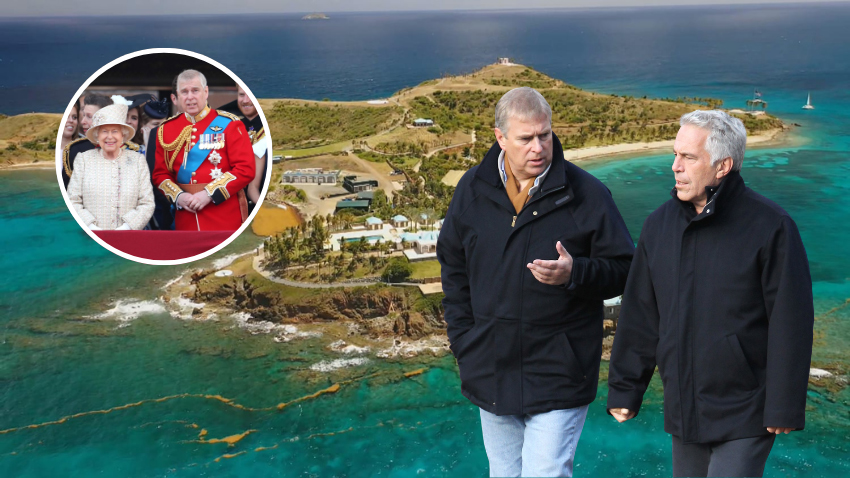
For years, public attention around Andrew and Jeffrey Epstein focused mainly on the Virginia Giuffre scandal. But people who closely observed their relationship say the deeper story was not only about headlines, it was about emotional needs and personal insecurity.
According to multiple media reports, Epstein did not simply surround himself with powerful figures. He carefully studied them. One well-placed source said, “Epstein didn’t see a prince. He saw a man aching to feel first.”
Born as the second son of Queen Elizabeth II, Andrew was often described as “the spare”, close to the throne but never the heir. Insiders claim that this lifelong position shaped his personality. They believe Epstein quickly understood this emotional gap and used it to build influence.
Also Read: Epstein probe: UK weighs removing ex-Prince Andrew from succession line
In private meetings at Manhattan townhouses and on luxury jets, Andrew was reportedly made to feel like more than just a royal figure. He was presented as a negotiator, a global connector, and someone operating beyond palace control.
One source claimed, “Jeffrey made him feel bigger than the crown ever did. That kind of validation is addictive.”
People familiar with Epstein’s approach say he had a unique ability to turn insecurity into loyalty. Another insider explained, “He fed Andrew the one thing the Palace never could — independence without oversight. It was power without protocol.”
Also Read: British police probe Epstein’s trafficking flights in UK
Observers argue that the attraction was not only about wealth or luxury. It was about reinvention. It was about escaping hierarchy and feeling important outside strict royal rules.
This raises an uncomfortable question. Was Andrew rebelling against royal limits, or was he simply trying to feel valued in a role where he was always second?
The debate continues, but many believe the connection was rooted more in psychology than politics.