In a major move to address the ongoing energy crisis, Friedrich Merz confirmed that Germany will reduce taxes on petrol and diesel for a period of two months. The decision comes as global fuel markets remain volatile due to the escalating conflict involving Iran.
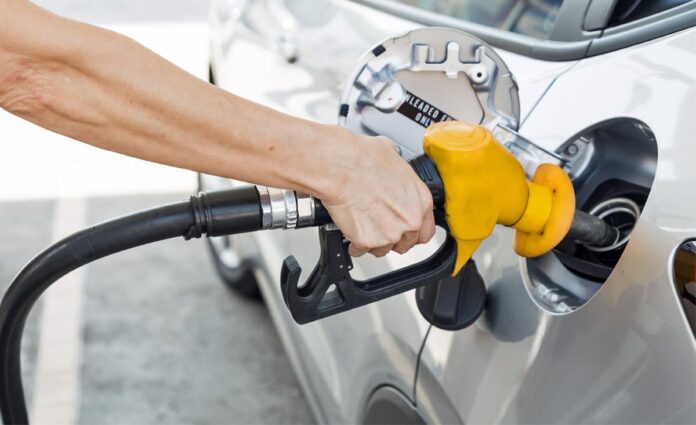
According to the announcement, fuel taxes will be reduced by approximately 17 euro cents per liter, offering temporary financial relief to consumers and businesses facing rising transportation and energy costs.
Impact of Iran War on Germany’s Economy
The German Ministry of Economy has issued a warning that the economic impact of the Iran war could extend throughout the remainder of 2026. Officials highlighted that persistent disruptions in global energy supply chains are likely to keep fuel prices elevated and strain industrial output.
Germany, heavily reliant on energy imports, is particularly vulnerable to geopolitical tensions affecting oil and gas flows from the Middle East.
Also Read: Iran warns of $5 petrol after Strait of Hormuz blockade threat escalates
Strait of Hormuz Concerns and US Position
Amid fears of a major supply shock, attention has turned to the strategic Strait of Hormuz, a critical route for global oil shipments.
A German government spokesperson clarified that any potential action by the United States would likely not involve a complete blockade of the strait. Instead, measures could be limited to restricting access to Iranian ports, reducing the risk of a full-scale disruption in global oil supply.
Temporary Relief, Long-Term Uncertainty
While the tax cut offers short-term relief, experts warn that structural challenges remain. Continued geopolitical instability, supply constraints, and market uncertainty could keep energy prices volatile in the months ahead.
The German government is expected to monitor the situation closely and may introduce further measures if the crisis deepens.