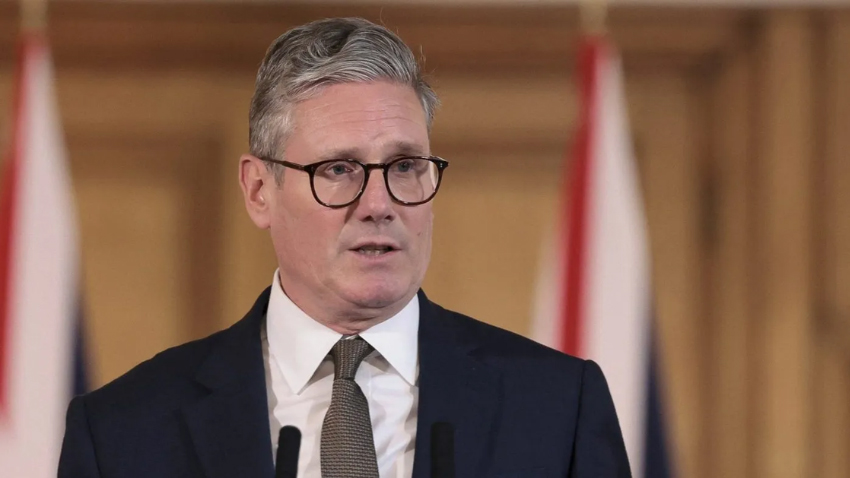
Speaking at a press conference, Starmer stressed that the UK has no intention of being drawn into the conflict under any circumstances. He added that the government’s main focus is to protect national interests and ensure safety and stability for its citizens.
He said, “This is not our war, and we will not be dragged into it,” making it clear that Britain will not take part in direct military action. However, he noted that the UK may still support diplomatic efforts aimed at reducing tensions.
When asked about broader global issues, Starmer said he would make decisions based on the British national interest, regardless of external pressure or political noise. He also highlighted the importance of maintaining independent foreign policy decisions.
The Prime Minister also spoke about strengthening ties with the European Union, saying the UK aims for closer economic and security cooperation based on shared values and future interests. He noted that previous agreements after Brexit had caused economic challenges.
Must Read: Iranian president demands guarantee war will not restart
Meanwhile, tensions have increased internationally as US President Donald Trump criticized some allies, including the UK and France, for not supporting Washington in the ongoing US-Israel-Iran conflict. He urged countries to secure their own fuel supplies or rely on the United States.
Trump also made strong remarks on social media, suggesting that countries affected by disruptions in the Strait of Hormuz should take responsibility for their own energy needs. He accused some allies of not providing sufficient support during the conflict.
He further criticized France for restricting military-related airspace access, adding to disagreements among Western allies at a time of rising geopolitical tension.
The situation highlights growing differences among global powers, even as the conflict in the region continues to impact international markets and energy supply routes.