European leaders have clearly refused to join the US-Israel military actions against Iran. Their strong message, “not our war,” shows growing disagreement with the United States.
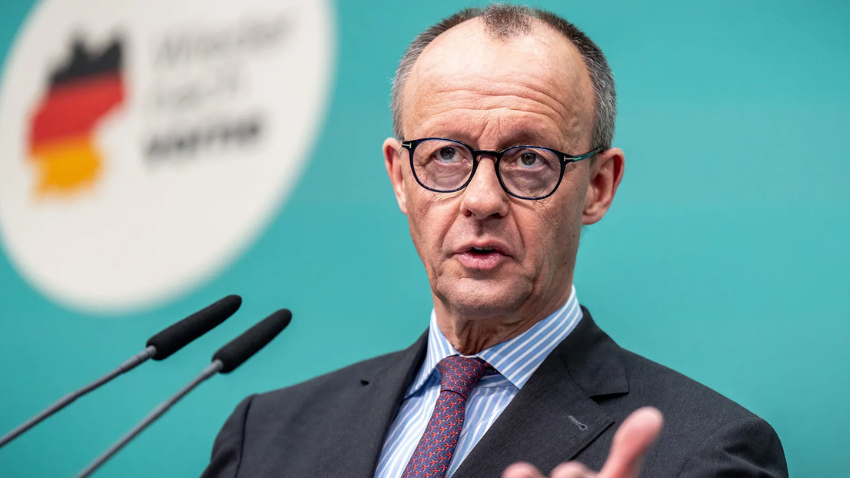
Friedrich Merz said Iran should not threaten its neighbors but questioned the purpose of the war. He told lawmakers that there is no clear plan for success and that Europe was not properly consulted.
He added that Europe would not take part in military efforts, including securing the Strait of Hormuz. This key route is important for global oil supply and has been badly affected by the conflict.
France has also taken a similar position. Emmanuel Macron said clearly, “We are not party to the conflict”, showing unity among major European powers.
Many European countries are worried about being pulled into a long and unpredictable war. They also face strong public opposition at home, making it difficult to support military action.
Despite pressure from Donald Trump, several allies, including Germany and Spain, have refused to join any Gulf mission. Trump criticized them, calling their decision a “very foolish mistake”.
In the UK, Prime Minister Keir Starmer has also faced criticism, but public opinion is largely against the war. Surveys show that many people in Europe do not support military action.
Must Read: EU rejects joining Hormuz operations
European leaders are also worried that angering Trump could affect cooperation on other issues, such as Ukraine and trade. Still, they believe staying out of the war is the safer option.
Instead of joining the conflict, Europe is working on its own plans. Britain and France are exploring ways to protect shipping in the region without direct US involvement.
At the same time, European officials say that the US has not clearly explained its goals in the war, adding to their concerns.
Overall, Europe is trying to stay united while carefully handling its relationship with the US and avoiding deeper involvement in the conflict.