

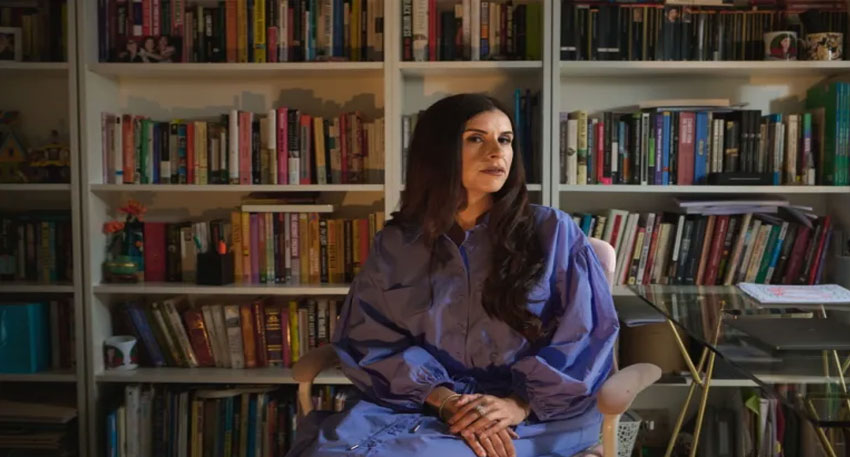
The Adelaide Festival board said it has withdrawn its earlier decision to exclude Abdel-Fattah from Adelaide Writers’ Week. The board admitted the move caused harm and said it was wrong.
“We have reversed the decision and will reinstate Dr Abdel-Fattah’s invitation to speak at the next Adelaide Writers’ Week in 2027,” the board said, apologising “unreservedly for the harm” caused to her.
Read more: ‘Australian hero’ Ahmed Al Ahmed saluted by PM Anthony Albanese
The board also stated, “Intellectual and artistic freedom is a powerful human right,” adding that it had fallen “well short” of protecting this principle.
Abdel-Fattah, an award-winning author of 11 novels, said she accepted the apology and would consider the new invitation. “I accept this apology as acknowledgement of our right to speak publicly and truthfully about the atrocities that have been committed against the Palestinian people,” she said.
She added that the apology was “a vindication of our collective solidarity and mobilisation against anti-Palestinian racism, bullying and censorship”.
Adelaide Festival has apologised unreservedly. Vindication
My response. pic.twitter.com/8mqm7xGAKH
Abdel-Fattah said she would agree to speak “in a heartbeat” if former director Louise Adler returned. Adler had resigned in protest after the board blocked Abdel-Fattah’s appearance.
The author also said the incident exposed deeper issues, including “the need for urgent antiracism education” and safeguards against political pressure on public institutions.
Read more: Australia moves to tighten gun laws after Bondi Shooting
Earlier, the board announced that this year’s Adelaide Writers’ Week could not go ahead after many writers withdrew. The board claimed the decision was “not about identity or dissent” but linked to freedom of expression concerns after the Bondi Beach attack.
At least 180 writers, including Zadie Smith, M Gessen, Yanis Varoufakis, Helen Garner, and Jacinda Ardern, pulled out in protest.
The boycott showed strong unity among writers. The apology reflects pressure from the global arts community. The case has reopened debate on free speech and cultural freedom.


