A United Nations expert has made a strong claim, saying Israel has been given a “licence to torture Palestinians” due to a lack of global action.
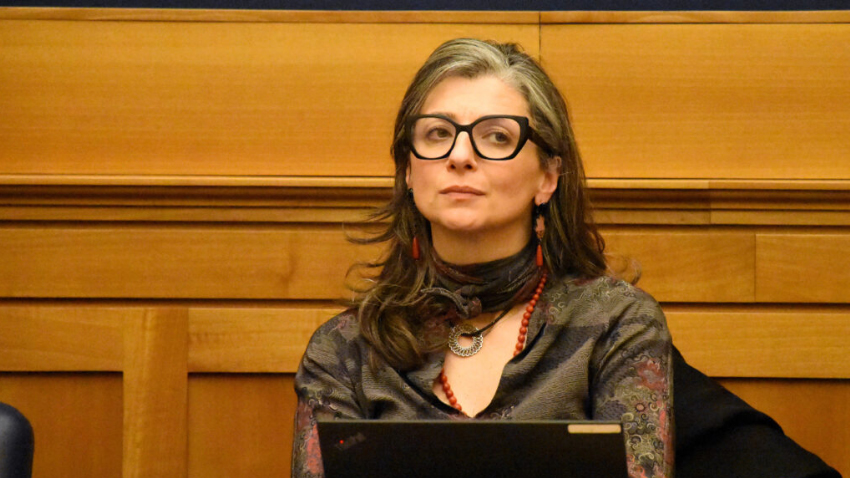
Francesca Albanese, the UN’s special rapporteur on human rights in the Palestinian territories, said the situation has become extremely serious. While presenting her report at the United Nations Human Rights Council, she alleged that “torture has effectively become state policy” in Israel.
She said life in Palestinian areas is marked by continuous physical and mental suffering. According to her, torture is not limited to prisons but is part of a wider environment affecting Palestinians across the occupied territories.
She added that such actions are destroying human dignity and causing deep psychological and physical harm. The report also claims that these practices are occurring on a large scale and may reflect collective punishment.
However, Israel strongly rejected the accusations. In a statement, Israel’s mission in Geneva criticized Albanese, calling her claims biased and politically motivated.
It said she promotes “extremist narratives” and accused her of trying to harm Israel’s image.
Must Read: Strait of Hormuz open for shipping, restricted to enemy ships
The issue has also drawn reactions from several countries and groups. Palestinian envoy Ibrahim Khraishi told the council that the reported actions are not isolated incidents but part of a wider pattern.
He urged the international community to take urgent steps to ensure accountability and end impunity.
The Organization of Islamic Cooperation also expressed concern, saying such actions are causing widespread suffering among Palestinians. Countries like Venezuela and South Africa criticized global inaction, questioning why stronger steps have not been taken.
Albanese warned that ignoring such issues could have wider consequences beyond Palestine.
She said that if international law is not enforced, similar situations could spread to other regions. It is important to note that UN special rapporteurs are independent experts and do not officially represent the United Nations.