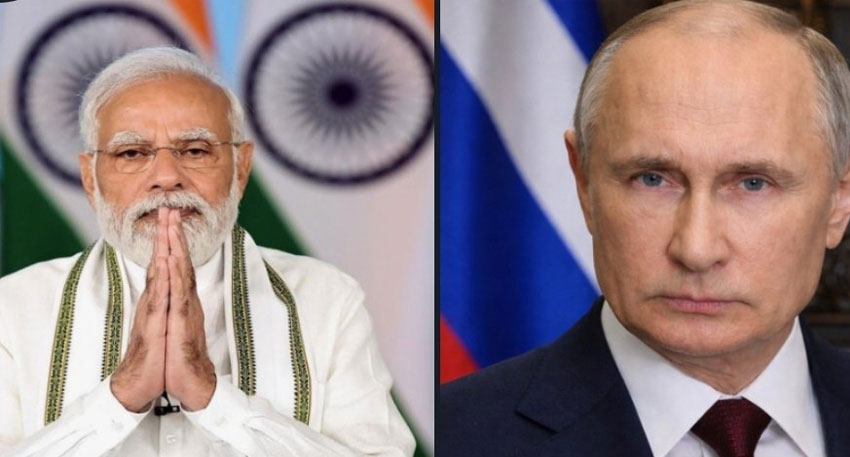
The controversy began after the United States Department of the Treasury announced that Indian oil refiners had been given temporary permission to purchase Russian oil stranded at sea. The move came during rising tensions in the Middle East after the conflict involving Iran.
According to reports cited by Reuters and The Guardian, the government of India approached the administration of Donald Trump to seek approval for buying Russian crude oil because the conflict with Iran has created uncertainty in global oil supplies.
𝐓𝐡𝐞 𝐔𝐧𝐢𝐭𝐞𝐝 𝐒𝐭𝐚𝐭𝐞𝐬 𝐡𝐚𝐬 '𝐚𝐥𝐥𝐨𝐰𝐞𝐝' 𝐈𝐧𝐝𝐢𝐚 𝐭𝐨 𝐩𝐮𝐫𝐜𝐡𝐚𝐬𝐞 𝐨𝐢𝐥 𝐟𝐫𝐨𝐦 𝐑𝐮𝐬𝐬𝐢𝐚, 𝐠𝐫𝐚𝐧𝐭𝐢𝐧𝐠 𝐚 𝟑𝟎-𝐝𝐚𝐲 𝐞𝐱𝐞𝐦𝐩𝐭𝐢𝐨𝐧.
👆This order was shared in a post by the United States Secretary of the Treasury, Scott Bessent.
The… pic.twitter.com/nATd02Q99b
The waiver was confirmed by US Treasury Secretary Scott Bessent, who wrote on X that the decision was taken to “enable oil to keep flowing into the global market.” The waiver will remain valid for 30 days and will allow Indian refineries to complete transactions for Russian oil already stuck at sea.
However, the decision quickly sparked criticism inside India. The opposition Indian National Congress party said the Modi government had pushed the country “to a situation where the United States is now deciding where India can buy oil from and where it cannot”.
Read more: Big energy relief? Russian crude oil shipment to Pakistan may arrive soon
Critics say the issue has raised serious questions about India’s energy independence. Chief Minister of the southern state of Tamil Nadu, M K Stalin, also questioned why India should appear to seek permission from another country to meet its energy needs.
He also raised concerns about the sinking of the unarmed Iranian warship IRIS Dena by the United States. The ship had earlier participated in the International Fleet Review 2026 naval exercise hosted by India in the city of Visakhapatnam.
Meanwhile, Scott Bessent defended the waiver, saying, "This deliberately short-term measure will not provide significant financial benefit to the Russian government as it only authorises transactions involving oil already stranded at sea. India is an essential partner of the United States, and we fully anticipate that New Delhi will ramp up purchases of US oil. This stop-gap measure will alleviate pressure caused by Iran’s attempt to take global energy hostage."
Journalist Rana Ayyub also criticized the situation, writing on social media that with America’s permission, "we now sound like an American colony".
Energy analysts say India remains vulnerable to sudden oil supply disruptions. The country’s crude reserves can cover only about 25 days of demand. Around 40 percent of India’s oil imports come from the Middle East through the strategic Strait of Hormuz shipping route.
Experts warn that any conflict or disruption in this region could seriously affect India’s energy security and fuel prices.
The controversy shows how global politics can influence energy decisions. India needs stable oil supplies to run its economy. But seeking approval from another country can create political pressure at home. The issue may also shape India’s future energy strategy.