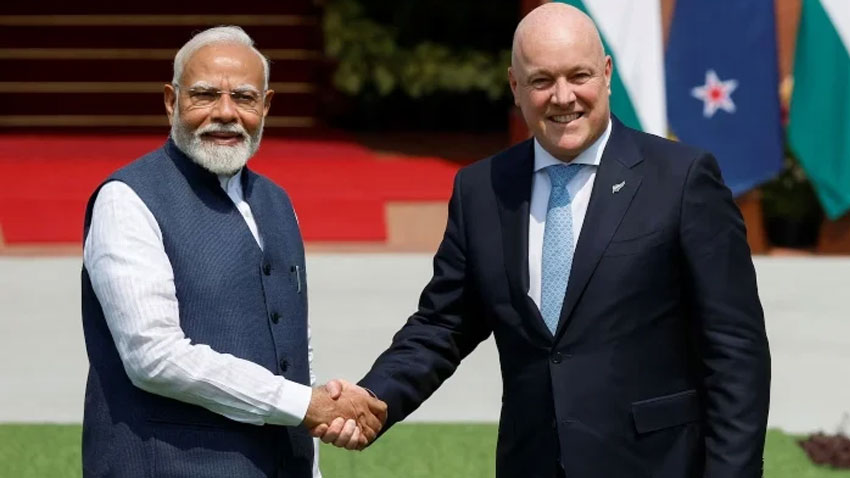
The agreement removes or lowers tariffs on 95% of New Zealand’s exports to India, with more than half of the products duty-free from day one. This will give New Zealand better access to India’s growing market.
The deal also includes 1,667 temporary work visas each year for areas with skills shortages, including doctors, nurses, teachers, engineers, and technology professionals. Another 1,000 spots will be available annually through a working holiday visa program, matching similar arrangements Australia has with India.
Prime Minister Christopher Luxon described the benefits as “wide-ranging and significant,” highlighting that India’s fast-growing economy offers opportunities for jobs, exports, and overall economic growth.
The agreement is expected to be formally signed in the first half of 2026. Trade Minister Todd McClay said it gives New Zealand equal or better trading advantages compared to other countries and will create thousands of jobs while boosting exports by billions.
Also Read: Saudi Arabia awards King Abdulaziz Medal to Field Marshal Asim Munir
India’s government confirmed the pact but did not provide further details. India’s trade minister is expected to brief the media soon.
The deal fulfills a 2022 election promise by New Zealand’s National Party to finalize a free trade agreement with India in its first term. However, parliamentary approval is not guaranteed. NZ First, part of the coalition, may oppose the deal, citing concerns over immigration and insufficient returns for New Zealand, particularly in the dairy sector.
Two-way trade between the countries reached NZ$3,140,000,000 in 2024. New Zealand mainly exports forestry and agricultural products like wool, logs, and apples, while India exports pharmaceuticals to New Zealand.