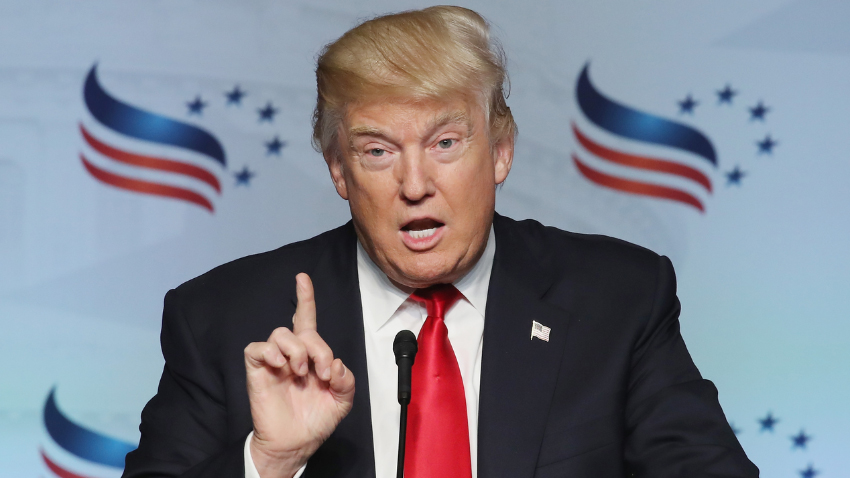
Trump cautioned trading partners on Monday against what he called attempts to “play games” after the court struck down his emergency tariffs. He said countries that reconsider recently negotiated trade agreements with Washington could face much higher import duties.
In a series of posts on Truth Social, Trump wrote: “Any Country that wants to ‘play games’ with the ridiculous supreme court decision, especially those that have ‘Ripped Off’ the USA for years, and even decades, will be met with a much higher Tariff, and worse, than that which they just recently agreed to. Buyer Beware.”
The Supreme Court had invalidated tariffs imposed under the International Emergency Economic Powers Act. However, Trump argued the ruling confirmed his ability to use other trade laws in what he called a “much more powerful and obnoxious way, with legal certainty.”
Must Read: Trump slaps 10% global tariff after court blocks trade move
He also hinted that the US could introduce license fees on trading partners, though no details were shared. This uncertainty has unsettled global markets, with stocks reacting cautiously.
Meanwhile, in Brussels, the European Parliament postponed a vote on the European Union’s trade deal with the US after Trump imposed a temporary 15% import duty on goods from all countries.
Under the proposed deal, EU goods would face a 15% US tariff, with exemptions for hundreds of food items, aircraft parts, critical minerals, and pharmaceutical ingredients. In return, the EU would remove duties on many US imports, including industrial goods.
Trump had first announced a 10% duty under Section 122 of the Trade Act of 1974, but raised it to 15%, the maximum allowed under the law. The new tariff will take effect at 12:01 am EST on Tuesday.
Must Read: US Supreme Court rules against Trump’s tariffs, $175 billion at stake
At the same time, US Customs and Border Protection said it would stop collecting the now-illegal IEEPA duties, following the Supreme Court’s decision.
US Trade Representative Jamieson Greer said the administration may launch new Section 301 investigations into countries accused of unfair trade practices. These investigations could lead to additional tariffs.
The situation has created fresh uncertainty in global trade. Countries now face a tough choice: honor US trade deals or risk higher duties. Markets are closely watching developments. Analysts say such disputes could slow economic growth and increase costs for businesses and consumers worldwide.