From capturing memories and storing important notes to keeping us connected with the world, they travel everywhere with us. Naturally, this also means they face the same unpredictable environments we do: sudden rain, dusty roads, accidental spills, and the occasional drop.
To meet these real-world challenges, smartphone durability has become increasingly important. Among the various protection standards available today, the IP69 rating represents one of the highest levels of resistance against water and dust, designed to withstand not only immersion but also high-pressure water exposure. Recognizing the growing need for stronger and more resilient devices, OPPO has consistently focused on building smartphones that combine advanced technology with dependable durability. In Pakistan, the brand has been among the pioneers in introducing IP69-rated smartphones, raising the bar for what users can expect from their everyday devices.
Yet sometimes, the true value of such engineering is revealed not in controlled tests or product specifications, but in real-life moments.
A recent story from China captured the internet’s attention when a college student from Chongqing, known online as Xiao Ran, shared an unexpected experience involving her OPPO Reno14.
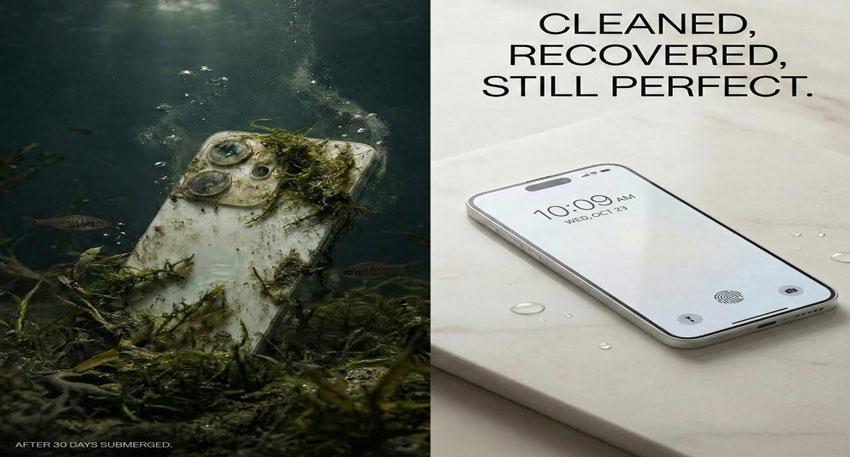
One afternoon, while taking a quiet walk beside the campus lake, her phone slipped from her hand and disappeared into the murky water below. Despite repeated attempts to retrieve it, the device was lost. For Xiao Ran, the loss felt greater than just a smartphone; it meant losing cherished photos, class notes, and countless personal memories stored within it.
Weeks passed, and the incident slowly faded from memory.
Nearly 30 days later, maintenance work began around the lake, draining parts of the water. Seeing a rare opportunity, Xiao Ran returned to the exact spot where her phone had fallen. After searching through shallow mud and debris, she finally spotted it, covered in moss and dirt after spending nearly a month underwater.
Expecting the worst, she gently rinsed the device and left it to dry. Later, when she connected it to a charger, something remarkable happened.
The phone powered on.
Xiao Ran shared the moment in a short video that quickly went viral online, gathering hundreds of thousands of likes and sparking widespread conversation about smartphone durability. Many viewers were astonished by the device’s resilience, while others praised OPPO’s focus on building phones that can survive real-life situations.
Behind this remarkable survival lies the phone’s IP69-level protection, engineered to help prevent water and dust from entering critical internal components. Supporting this is OPPO’s rigorous quality assurance process, where smartphones undergo extensive durability testing designed to simulate real-world conditions, from water exposure and dust resistance to temperature fluctuations and daily wear.
Also Read: 5G internet launch on Eid to ensure faster mobile networks in Pakistan
Stories like Xiao Ran’s may seem extraordinary, but they highlight how thoughtful engineering can make a real difference in everyday life. As smartphone usage continues to grow, durability is becoming just as important as performance or design.
OPPO’s latest Reno15 Series continues to build on this philosophy, combining sleek design, advanced imaging capabilities, and enhanced durability features to ensure that users can rely on their devices in a wide range of environments.
Because sometimes, the most impressive technology is the kind that simply keeps working, even after a month underwater.