

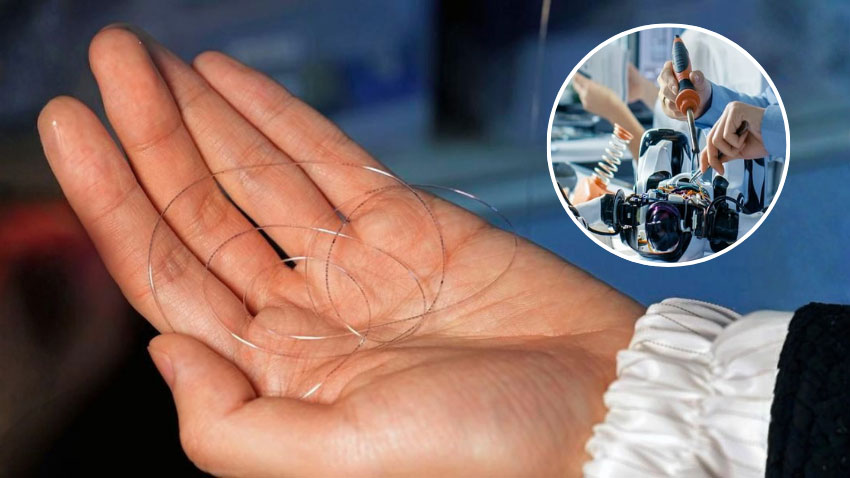
Scientists in China have developed a flexible “fiber chip” that can be woven directly into clothing. The invention allows fabric to process and store data, bringing interactive smart garments closer to reality.
The breakthrough was made by researchers at Fudan University. They built a working electronic circuit inside a ‘polymer fiber thinner than a human hair’, combining memory and processing in one strand. The findings were published in the journal Nature.
Unlike traditional silicon chips, which are rigid, the fiber chip is soft and bendable. Lead researcher Peng Huisheng said this matters because the human body is mostly made of soft tissue, making flexible electronics safer and more practical.
Also Read: PTA revises tax values for used iPhones
The team used a special “sushi-roll” method. They first printed high-precision circuits onto a smooth, flat sheet, then tightly rolled it into a spiral shape inside the fiber. This allowed complex electronics to fit into an ultra-thin strand.
Tests showed the fiber is extremely durable. It survived 10,000 bending cycles and even withstood the weight of a 15-tonne truck. Its density reaches about 100,000 transistors per centimeter, meaning a one-meter fiber has computing power similar to a classic computer CPU.
The possible uses are wide-ranging. In medicine, soft fibers could record brain signals accurately while reducing damage in brain-computer interfaces. In daily life, clothes could display videos, track health data, or respond to touch.
Also Read: Meta to test premium subscriptions on Instagram, Facebook, and WhatsApp
The technology could also improve virtual reality. Gloves made with these fibers could provide realistic touch feedback, helping in remote surgery or advanced gaming.
Author Chen Peining said the production process works with existing lithography lines, making large-scale manufacturing possible. The team is already working with hospitals to test uses in heart and blood vessel surgery.


