This AI-assisted vaccine created by scientists showed extraordinary results by shrinking a tumor in a dog, which could open the door to future therapies for humans.
The case centered on Rosie, an eight-year-old rescue dog who was diagnosed with an aggressive mast cell tumor in 2024. After standard treatments failed to improve her condition, her owner, Australian tech entrepreneur Paul Conyngham, began searching for alternative treatment options.
Using a chatbot and AI-powered tools, Conyngham analyzed genetic information to search for possible treatments. He then partnered with scientists at the University of New South Wales, where the tumor’s DNA was sequenced to identify the mutations causing the cancer.
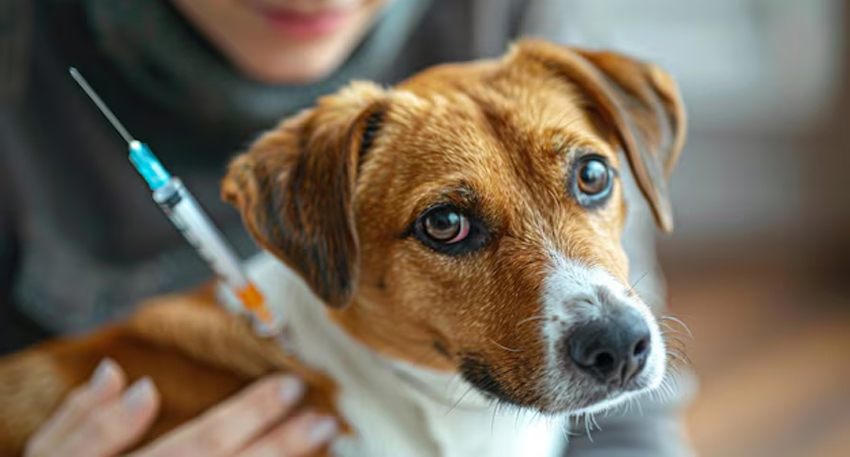
Using the results, the team created a customized mRNA vaccine that Rosie was given over the Christmas period in 2025. Soon after, researchers noticed that one of her tumors had shrunk by almost half.
According to Martin Smith, associate professor of computational biology and director of the university’s Ramaciotti Centre for Genomics, the result was remarkable and prompts significant questions about the possibility of using comparable treatments in humans.
Also Read: 5 most effective workouts for weight loss
Scientists explained that while the tumor has not fully disappeared, the therapy has improved the dog’s well-being and comfort. Conyngham is currently working with researchers to create a second vaccine targeting another tumor that failed to respond to the initial treatment.
Still, some researchers recommend caution. Biomedical engineer Patrick Heiser stated that although the experiment is remarkable, a single positive result cannot confirm the treatment’s reliability and more investigation is required.
According to scientists, the advancement highlights the promise of using AI alongside genetic analysis and mRNA technology to create personalized therapies that could reshape the future of cancer treatment.