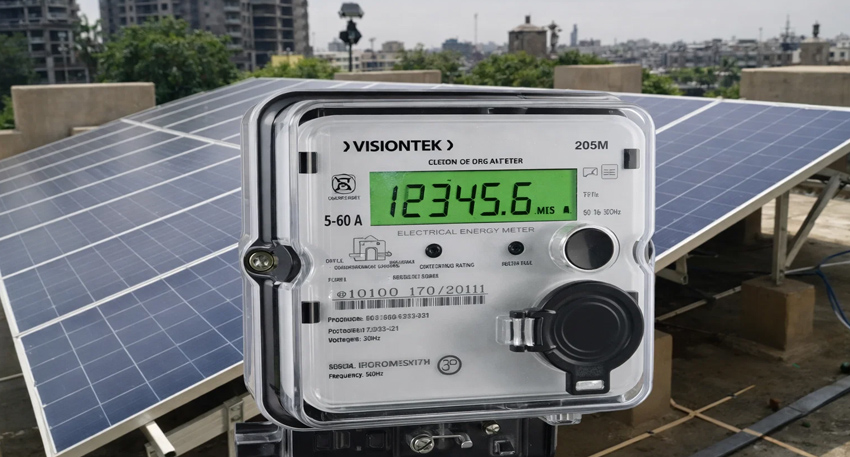
NEPRA’s latest Net Metering Regulations 2026 end unit-for-unit electricity buyback, requiring solar users to pay full tariff while surplus power is purchased at lower rates.
The National Electric Power Regulatory Authority (NEPRA) has issued the Net Metering Regulations 2026, bringing major changes to solar power consumers across Pakistan. Under the new framework, the long-standing unit-for-unit electricity buyback system will be replaced with a net billing mechanism, effectively requiring solar users to pay the full retail electricity tariff while selling surplus power at a reduced rate.
Currently, electricity exported to the national grid by solar consumers is compensated at Rs. 25.9 per unit. Under the proposed regulations, this rate may drop to around Rs. 11 per unit. Meanwhile, distribution companies (Discos) will charge consumers the applicable retail tariff for electricity drawn from the grid, which could reach Rs. 50 per unit depending on the category of consumption.
The new regulations apply to all new solar consumers, while existing net metering customers will continue under their original agreements until their contract expires. At that point, Discos have the authority to either renew the contract under the old system or transition consumers to the new net billing framework.
Also Read: NEPRA issues net metering rules 2026 for solar and biogas users
The Prosumer Regulations 2026 also expand the scope of distributed generation, including solar, wind, and biogas facilities up to 1 MW. Electricity exported to the grid will now be purchased at the National Average Energy Price, and consumers will be billed separately for electricity consumed at prevailing tariffs. Billing will be carried out at the end of each 30-day cycle based on actual energy supplied and consumed, replacing the previous one-to-one unit adjustment system.
Eligible consumers include residential, commercial, industrial, agricultural, and general service customers connected at 400V or 11kV, subject to approval and interconnection with the licensed distribution system. Additionally, net metering contracts will be limited to five years, with renewal possible for another five years.
NEPRA has suspended the Net Metering Regulations 2015 following the enforcement of the new rules. The regulator will have the authority to revise purchase rates during agreements, issue binding directives, demand operational data, impose penalties, and modify provisions as necessary. NEPRA stated that these reforms aim to standardize distributed generation, improve transparency, and align consumer-level power generation with national tariff structures.
Energy experts say the changes may affect the economics of rooftop solar adoption, particularly for residential and small commercial consumers, who previously relied on unit-for-unit buyback to offset high electricity bills. However, NEPRA maintains that the new net billing mechanism ensures fairness for all consumers while maintaining grid stability.
As the solar energy sector grows in Pakistan, the Net Metering Regulations 2026 signal a significant shift in policy, balancing consumer rights, regulatory oversight, and sustainable energy integration.