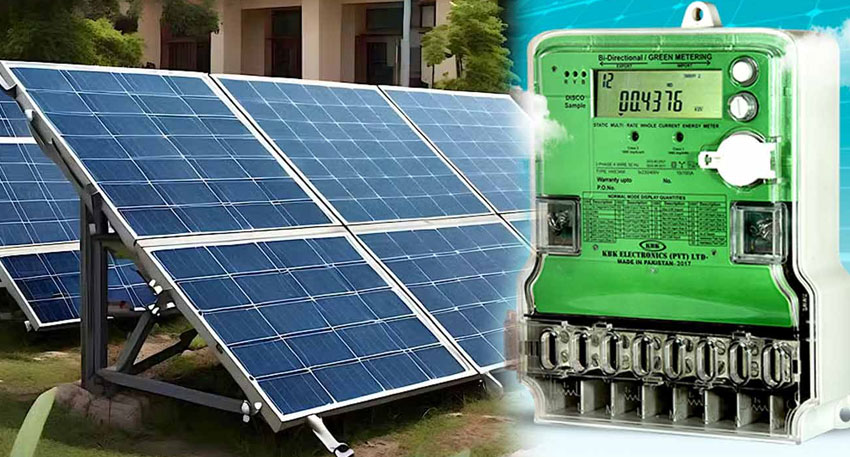
The National Electric Power Regulatory Authority (NEPRA) has announced the new Net Metering Regulations 2026. These rules will also apply to biogas energy users and aim to improve electricity billing and payments. Under the new system, electricity bills will be generated at the end of each billing cycle based on net metering.
The notification states that electricity generated by net metering users will be purchased at the national average energy price. Users will receive electricity based on current tariffs, while any extra electricity supplied to the national grid will be paid quarterly.
NEPRA has set the net metering contract period to a maximum of five years. After this period, contracts can be renewed for an additional five years. Following the implementation of the 2026 regulations, the previous net metering regulations 2015 will be suspended.
Under the new policy, DISCOs will require users to install either two-way or separate meters. Electricity production between 1 kilowatt and 1 megawatt will be allowed. For systems of 250 kilowatts or more, a load flow study will be mandatory.
Read more: Multan Sultans deal: Who owns PSL’s most valuable team?
To prevent illegal expansion, DISCOs will have monitoring authority. Connections may be disconnected for contract violations. Safety devices and compliance with international standards are compulsory. The new regulations are effective immediately.
These regulations encourage renewable energy use and protect the national grid. The quarterly payments for surplus electricity create an incentive for users. Strict safety rules and monitoring prevent misuse, ensuring a reliable and sustainable energy system.