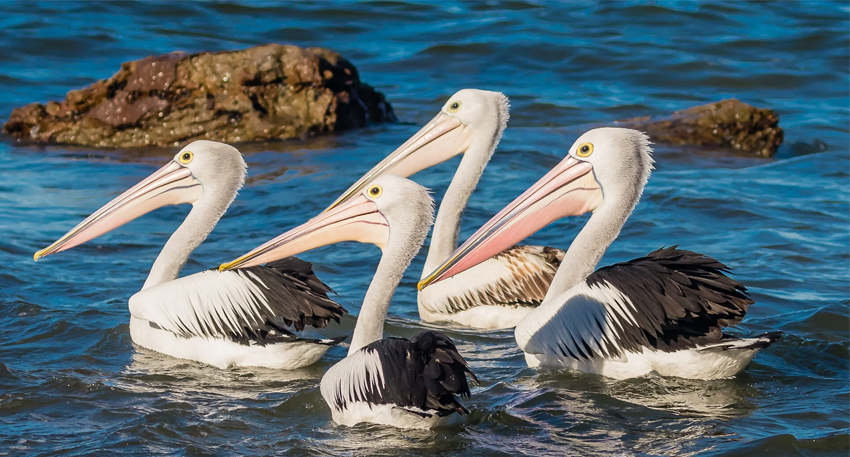
Located about 82 kilometres from Karachi and 24 kilometres northwest of Thatta, Haleji lake hosts over 200 bird species annually, although historical records indicate that more than 500 species once frequented the area. Environmental degradation, particularly water pollution, has significantly reduced both the number and diversity of birds. Experts attribute part of this decline to changes in water supply after Karachi began relying on Keenjhar Lake, which negatively impacted Haleji’s ecosystem.
Originally developed in 1943 during World War II as a water reservoir for Allied forces, Haleji Lake spans approximately 18 square kilometres with depths ranging from 17 to 30 feet. Over time, it evolved into a thriving wetland ecosystem rich in aquatic plants, fish, and birdlife.
Situated along the Indus Flyway, the lake attracts migratory birds from Siberia, Central Asia, and Europe each winter. Species commonly spotted include flamingos, pelicans, ducks, herons, and egrets, all of which depend on the lake for feeding and shelter.
Also Read: Teacher aims for Marathon World Record running in saree
Recognized under the Ramsar Convention, Haleji Lake holds global ecological significance. However, it faces growing threats from pollution, illegal hunting, water shortages, and climate change.
Despite conservation efforts, experts stress the need for stronger environmental protection and public awareness. Preserving Haleji Lake is crucial not only for wildlife but also for maintaining Pakistan’s natural heritage.