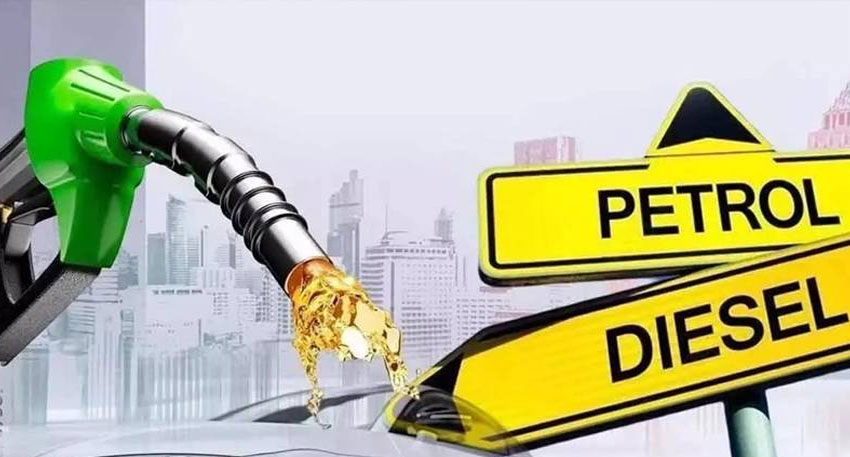
The proposal is part of a broader national fuel-saving strategy being considered by the federal government. Officials say the plan comes as tensions in the Middle East raise fears of possible disruptions in global oil supply.
During a meeting chaired by the prime minister, Finance Minister Muhammad Aurangzeb briefed participants on Pakistan’s petroleum reserves and fuel consumption trends.
Officials informed the meeting that authorities are studying options to reduce working days for offices, schools, and service sectors in order to save fuel.
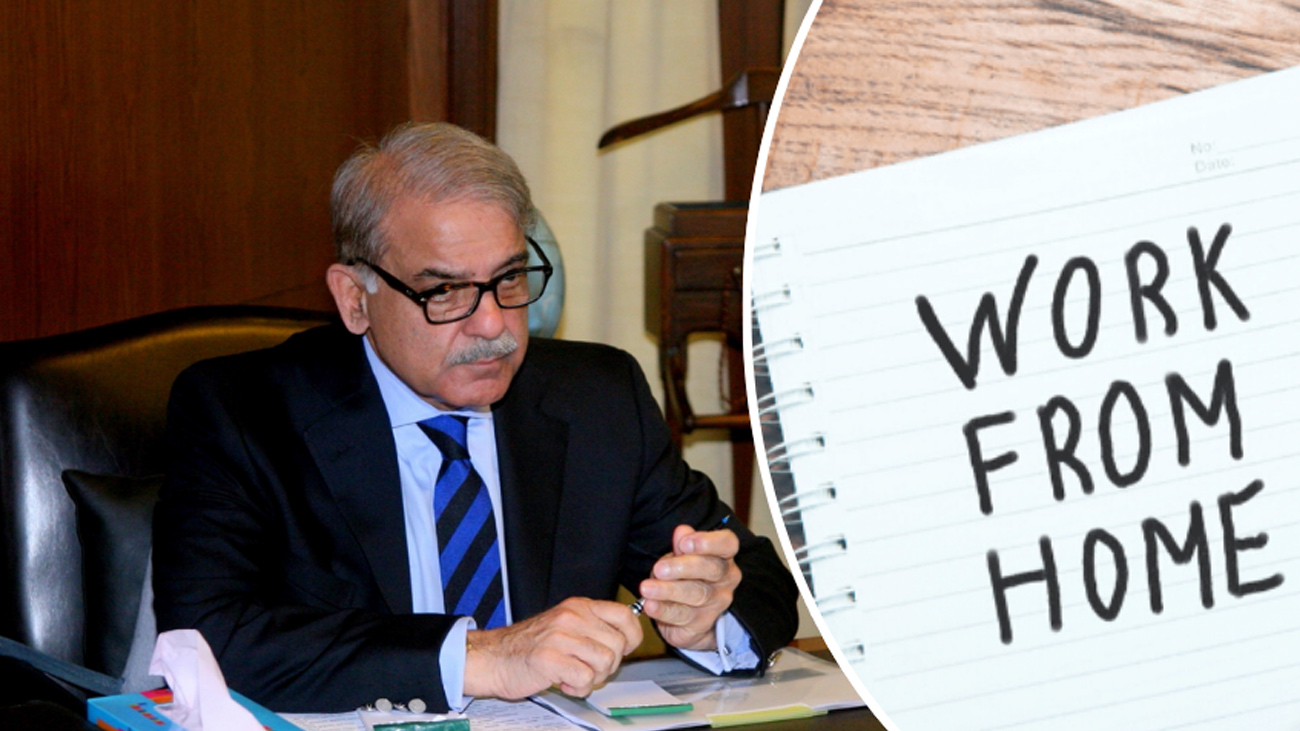
Under the proposal, educational institutions may shift to online classes while offices could allow employees to work from home. Officials believe these steps would reduce fuel consumption and help manage national energy resources more efficiently.
The committee also discussed another proposal that suggests reviewing petroleum product prices on a weekly basis instead of following the current schedule.
Also Read: PM orders strict monitoring of fuel over shortage fears
Authorities further decided to launch a strict crackdown on hoarding and smuggling of petroleum products. Sources said the prime minister will make final decisions after carefully reviewing the committee’s recommendations.
Earlier, the same committee met under the chairmanship of Finance Minister Aurangzeb to examine the country’s fuel supply situation.
Officials told the meeting that Pakistan currently has comfortable petroleum reserves and there is no immediate risk of fuel shortage.
However, the committee warned that the regional situation remains uncertain. Global supply chains and shipping routes are facing increasing risks due to geopolitical tensions.
Experts also highlighted the possibility of a “war premium” on oil prices. They said rising competition for energy shipments in Asian markets could create additional pressure on Pakistan’s economy if global prices continue to fluctuate.
Officials informed the meeting that Pakistan is also engaging diplomatically and commercially with friendly countries to secure additional crude oil supplies.
Alternative shipping routes and ports are also being explored to avoid high-risk areas where shipping activity has become uncertain.
Also Read: Pakistan considers work-from-home to save fuel amid Middle East tensions
The committee reviewed measures to reduce shipping delays as well, including ensuring faster docking of vessels and using national shipping capacity where possible.
These discussions come at a time when tensions between the United States and Iran have disrupted activity in the Strait of Hormuz. This narrow waterway is one of the world’s most important oil transport routes, handling nearly one-fifth of global seaborne crude oil shipments.
Sources said the government is also preparing a wider national energy conservation plan. The proposal may include online classes and flexible work arrangements similar to those used during the COVID-19 pandemic.