Pakistan and the International Monetary Fund (IMF) have successfully reached a staff-level agreement under the Extended Fund Facility (EFF), clearing the way for a $1.2 billion disbursement as part of ongoing financial support programs.
The agreement covers the third review of the 37-month IMF program, signaling progress in Pakistan’s macroeconomic stabilization efforts and reform agenda.
Combined IMF Disbursement to Reach $4.5 Billion
Under the agreement, Pakistan is set to receive approximately:
- $1 billion under the Extended Fund Facility (EFF)
- $210 million under the Resilience and Sustainability Facility (RSF)
This brings total IMF-related disbursements to nearly $4.5 billion, strengthening Pakistan’s external financing position.
Economic Stabilization and Reform Progress
According to IMF assessments, Pakistan has shown improvement in key economic indicators, including:
- Controlled inflation trends
- Reduced current account deficit
- Improved foreign reserves
The government has also reaffirmed its commitment to fiscal discipline, structural reforms, and economic stabilization despite external geopolitical risks.
Also Read: IMF loan in sight: Three major power companies to be privatized
Key IMF Conditions and Policy Commitments
The IMF and Pakistan have agreed on several critical reforms, including:
- Maintaining tight monetary policy
- Achieving a 1.6% primary surplus target for FY2026
- Increasing to a 2% primary balance by FY2027
- Expanding the tax net and improving revenue collection
- Strengthening FBR audit and digital invoicing systems
- Enhancing tax policy and governance reforms
The IMF also emphasized fair NFC-based revenue distribution between federal and provincial governments.
Energy Sector Reforms and Subsidy Reduction
A major focus of the agreement is Pakistan’s energy sector restructuring, including:
- Gradual elimination of energy subsidies
- Recovery of full energy costs through tariff adjustments
- Reduction of circular debt
- Privatisation of inefficient power plants
- Promotion of renewable energy projects
The IMF stressed the need for competitive electricity markets and improved distribution systems.
Social Protection and BISP Expansion
Under social welfare commitments, Pakistan will:
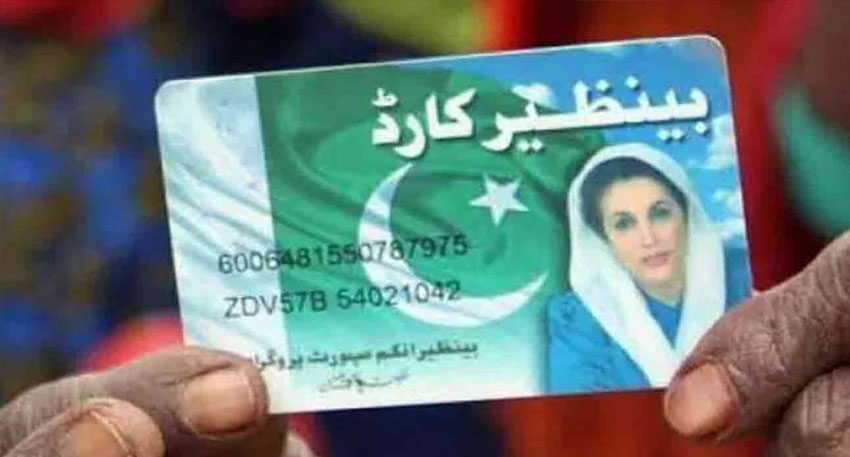
- Strengthen the Benazir Income Support Programme (BISP)
- Adjust cash transfers in line with inflation
- Expand beneficiary coverage
- Improve payment delivery systems
- Increase spending on health and education
These measures aim to protect low-income households from inflationary pressures.
Governance, Privatization, and Market Reforms
The IMF has also urged Pakistan to:
- Reduce government intervention in commodity markets
- Expand privatization of state-owned enterprises
- Improve governance and economic transparency
- Promote private sector-led growth
- Strengthen investment and business environment
Climate-related reforms were also highlighted, including green transport and carbon emission reduction policies.
Outlook for Pakistan’s Economy
Experts believe the IMF agreement will:
- Stabilize external financing pressures
- Support currency and reserve stability
- Strengthen investor confidence
- Accelerate structural reforms
However, successful implementation of reforms will be critical for long-term economic stability.