Pakistan has increasingly positioned itself as a key mediator in the Iran-US war, with multiple international media outlets highlighting Islamabad’s growing diplomatic role. As tensions escalate across the Middle East, Pakistan is actively engaging in backchannel diplomacy to prevent further conflict and promote dialogue.
Reports suggest that Pakistan’s balanced ties with both Washington and Tehran have enabled it to act as a credible intermediary at a time when direct negotiations remain politically sensitive.
Pakistan Steps Forward as Central Mediator
According to the Financial Times, Pakistan is presenting itself as a central diplomatic player working to end the conflict between the United States, Israel, and Iran. The report highlights Islamabad’s efforts to engage major stakeholders through high-level diplomatic channels.
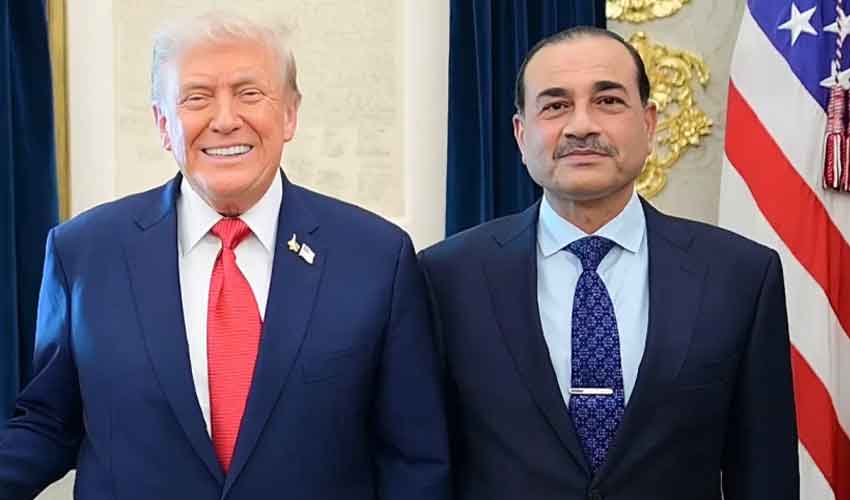
Citing informed sources, the report claims that Pakistan’s Chief of Defense Staff Asim Munir, held a conversation with Donald Trump. However, this interaction remains unconfirmed, with the White House declining to comment due to the sensitive nature of such discussions.
Coordinated Diplomacy Shows Early Impact
Gulf News describes Pakistan as part of a coordinated diplomatic effort alongside regional players like Turkey and Egypt. The report suggests that these efforts may have already yielded early results, including a temporary pause in planned US strikes on Iranian infrastructure.
The outlet further notes that Pakistan has been actively relaying messages between Washington and Tehran, with Prime Minister Shehbaz Sharif engaging Iranian President Masoud Pezeshkian to push for de-escalation and renewed dialogue.
Also Read: Iran sets strategic conditions to end war
Islamabad May Host Key Peace Summit
According to TRT World, Pakistan is emerging as a lead mediator and may host a high-level peace summit in Islamabad. Reports indicate that US and Iranian officials could participate in potential truce talks.
The report mentions possible involvement of figures such as JD Vance, Steve Witkoff, and Mohammad Bagher Ghalibaf. However, Iran has shown reluctance, citing mistrust and preconditions for negotiations.
Pakistan Walks a Diplomatic Tightrope
Fox News presents a more cautious view, describing Pakistan’s role as a delicate balancing act. The report highlights Islamabad’s need to maintain relations with multiple stakeholders, including Saudi Arabia, Iran, and the United States.
It also underscores Pakistan’s strategic challenges, including border tensions, economic pressures, and energy dependence, which complicate its position as a neutral mediator. Analysts quoted in the report question whether Pakistan can sustain this balance amid competing geopolitical interests.
Backchannel Diplomacy and Regional Coordination
Across all reports, a consistent theme is the rise of backchannel diplomacy involving Pakistan, Turkey, and Egypt. These countries are actively:
- Relaying messages between the US and Iran
- Facilitating indirect communication
- Exploring frameworks for ceasefire and negotiations
Pakistan’s Foreign Minister Ishaq Dar has also engaged with regional counterparts to coordinate diplomatic efforts.
Iran’s Position and Ongoing Conflict
Despite growing mediation efforts, Iran has publicly denied any direct negotiations with the United States. Officials, including Mohammad Bagher Ghalibaf, have dismissed reports of talks, calling them misleading.
At the same time, the conflict continues to impact regional stability, global oil markets, and critical routes like the Strait of Hormuz, increasing the urgency for diplomatic resolution.
Pakistan’s Strategic Role in a Complex Geopolitical Landscape
A combined analysis of global media reports suggests that Pakistan is emerging as a significant diplomatic player, leveraging its unique relationships to mediate between rival powers. While early signs of progress—such as pauses in escalation and proposed talks—offer cautious optimism, major challenges remain.
Pakistan’s success as a mediator will depend on its ability to maintain neutrality, manage regional pressures, and sustain diplomatic momentum. As the situation evolves, Islamabad’s role could prove pivotal in shaping the outcome of the Iran-US conflict.