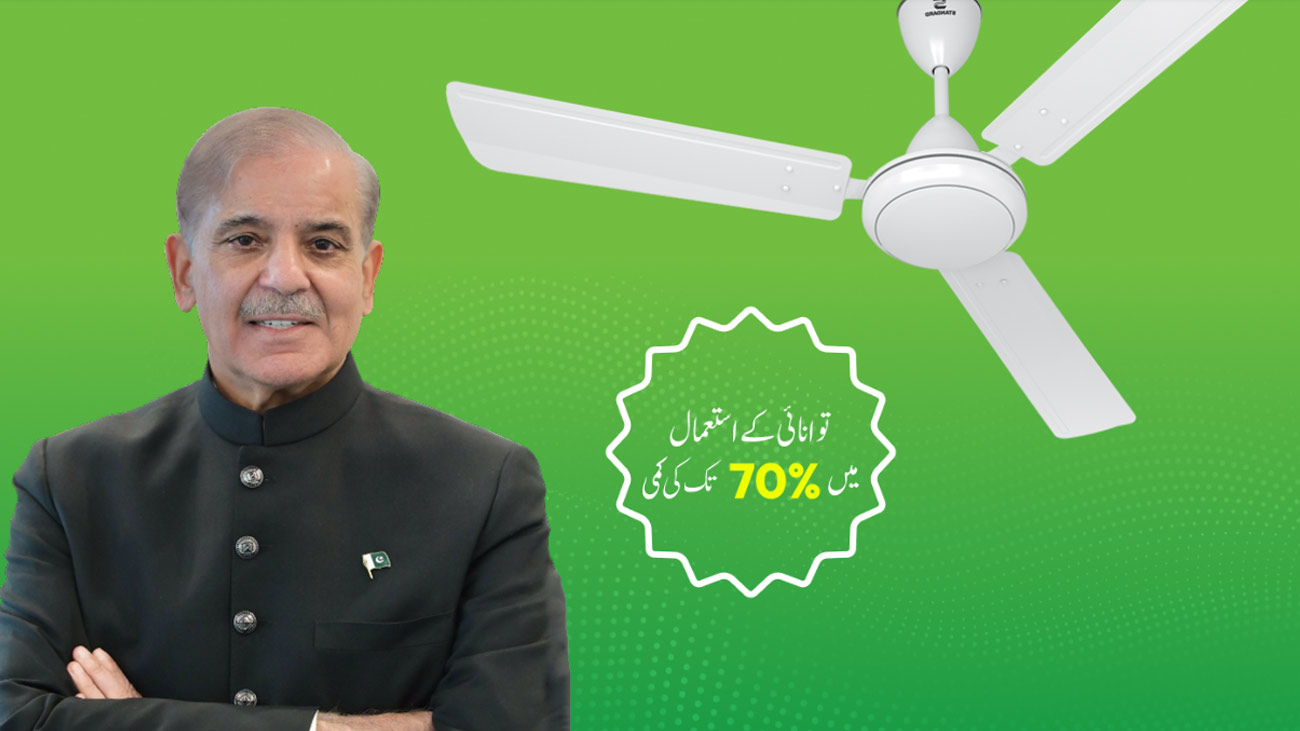
The decision was taken during a meeting chaired by Finance Minister Muhammad Aurangzeb.
The committee also reviewed Pakistan’s economic situation and inflation trends. Briefings showed that inflation remained low in the first months of this financial year, with July at 4.1 percent and August at 3.0 percent.
Despite flood effects, November inflation dropped to 6.1 percent compared to last year. Average inflation from July to November was 5 percent, down from 7.9 percent last year. Prices of essential items remained mostly stable, providing relief to the public.
ECC approved billions of rupees for development and social projects. Funds of Rs5,760,000,000 were allocated for Danish schools and youth skill programs, with a directive to adopt a public-private partnership model for the schools. Additionally, Rs5,190,000,000 was approved for development projects in Sindh and Khyber Pakhtunkhwa. Rs170,000,000 was approved for PTDC, with a comprehensive business plan requested.
Read more: Govt imposing NEPRA limits on solar users under IMF pressure
In the energy sector, Rs6,350,000,000 was allocated to the Power Division and Rs200,000,000,000 to DISCOs to reduce the financial crisis. Investments in DISCO equity were also approved to strengthen the electricity sector.
The ECC approved Rs4,770,000,000 in payments to 945 families of missing persons under the supervision of the Commission of Inquiry. Funds were also approved for FC Balochistan and Rangers helicopter maintenance.
Other approvals included 104 additional family suites for parliament members, funds for SDGs projects under the Ministry of Defence, and King Hamad University.
The ECC’s decisions show a balance between economic relief and long-term development. Energy-saving programs, education initiatives, and development funds indicate efforts to boost growth while keeping inflation in check. Citizens benefit from price stability and targeted social support.