Pakistan’s Mediation Wins Global Acclaim
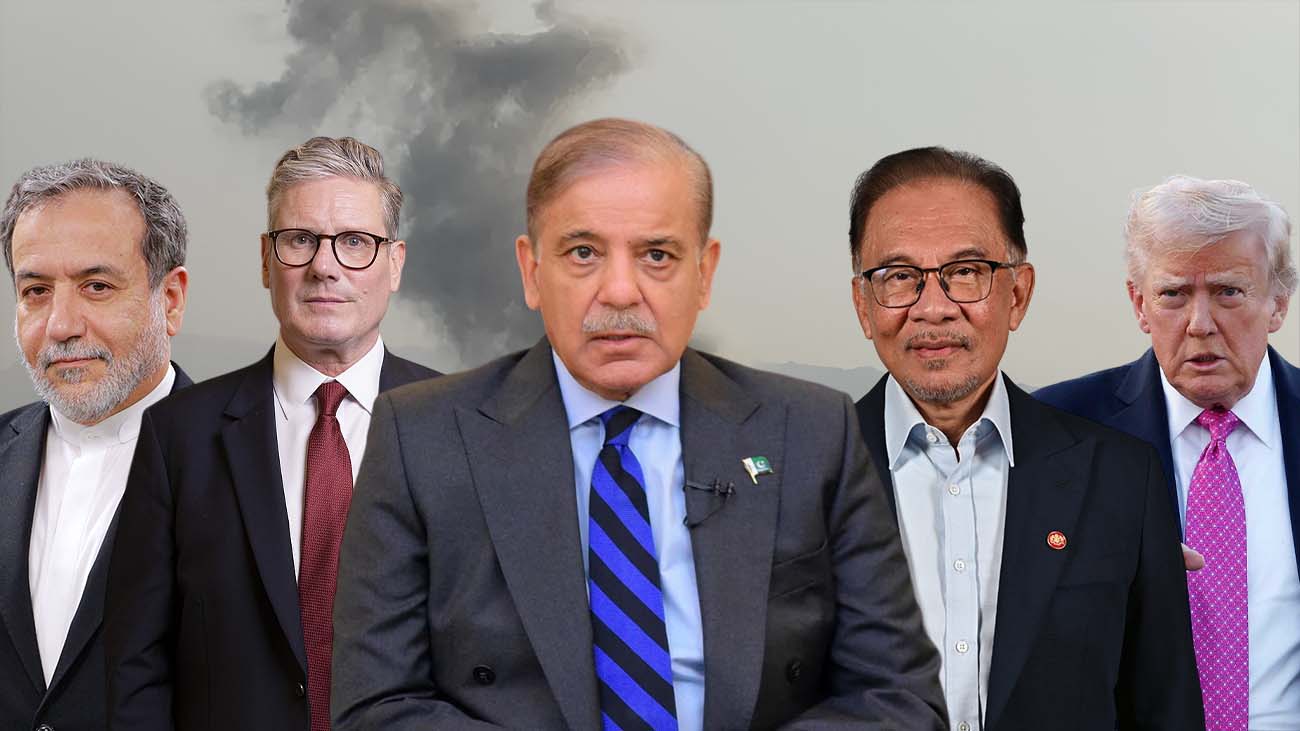
On April 8, 2026, Pakistan emerged as a central diplomatic player after brokering a two-week ceasefire between the United States and Iran, averting a potential escalation in one of the most volatile geopolitical moments in recent years. World leaders and diplomats immediately took to social media to acknowledge Islamabad’s pivotal role in this historic development.
Trump Credits Pakistan’s Leadership
U.S. President Donald Trump tweeted his recognition of Pakistan’s mediation efforts:
“Based on conversations with Pakistan Prime Minister Shehbaz Sharif and Field Marshal Asim Munir, and subject to the Islamic Republic of Iran agreeing to the complete, immediate, and safe opening of the Strait of Hormuz, I agree to suspend the bombing and attack of Iran for a period of two weeks. This will be a double-sided ceasefire! A big day for World Peace! Iran wants it to happen, they’ve had enough! Likewise, so has everyone else!”
This rare public acknowledgment highlighted the trust placed in Pakistan’s civil and military leadership as a neutral channel between Washington and Tehran.
🚨 President Donald J. Trump makes a statement on Iran: pic.twitter.com/9mqTayL0Q3
— The White House (@WhiteHouse) April 7, 2026
Iran Expresses Gratitude
Iranian Foreign Minister Seyed Abbas Araghchi tweeted:
“On behalf of the Islamic Republic of Iran, I express gratitude and appreciation for my dear brothers HE Prime Minister of Pakistan Shehbaz Sharif and HE Field Marshal Asim Munir for their tireless efforts to end the war in the region. In response to the brotherly request of Prime Minister Sharif in his tweet… If attacks against Iran are halted, our powerful armed forces will cease their defensive operations. For a period of two weeks, safe passage through the Strait of Hormuz will be possible via coordination with Iran’s armed forces and with due consideration of technical limitations.”
Statement on behalf of the Supreme National Security Council of the Islamic Republic of Iran: pic.twitter.com/cEtBNCLnWT
— Seyed Abbas Araghchi (@araghchi) April 7, 2026
Sharif Invites Delegations to Islamabad
Prime Minister Shehbaz Sharif confirmed Pakistan’s continued role in facilitating negotiations, tweeting:
“I am pleased to announce that the Islamic Republic of Iran and the United States of America, along with their allies, have agreed to an immediate ceasefire everywhere including Lebanon and elsewhere, effective immediately. I extend deepest gratitude to the leadership of both countries and invite their delegations to Islamabad on Friday, 10th April 2026, to further negotiate for a conclusive agreement to settle all disputes.”
With the greatest humility, I am pleased to announce that the Islamic Republic of Iran and the United States of America, along with their allies, have agreed to an immediate ceasefire everywhere including Lebanon and elsewhere, EFFECTIVE IMMEDIATELY.
— Shehbaz Sharif (@CMShehbaz) April 7, 2026
I warmly welcome the…
Regional Leaders Praise Pakistan
Malaysian Prime Minister Anwar Ibrahim tweeted:
“The proposal augurs well for the restoration of peace and stability, not only to the region but also the rest of the world. I extend my heartiest appreciation to Pakistan for its tireless and courageous diplomacy. Pakistan’s willingness to speak to all sides, without fear or favour, reflects the highest traditions of Muslim solidarity and international responsibility.”
I wholeheartedly welcome the latest development in the current US-Iran war, in respect of the ten-point plan as proposed by Iran and positively received by the US.
— Anwar Ibrahim (@anwaribrahim) April 8, 2026
This proposal augurs well for the restoration of peace and stability, not only to the region but also the rest of… pic.twitter.com/Gyy9vtjJPD
Australian Prime Minister Anthony Albanese and Foreign Minister Penny Wong issued a joint statement:
“We are grateful for the work of Pakistan, and others such as Turkiye and Egypt, to seek to find a solution to the crisis. Pakistan’s leadership in these diplomatic efforts is essential for de-escalation.”
British Prime Minister Keir Starmer tweeted:
“I welcome the ceasefire agreement reached overnight… We must do all we can to support and sustain this. We thank Pakistan for their central role in the ‘Islamabad Talks’ and for providing a path toward peace.”
I welcome the ceasefire agreement reached overnight, which will bring a moment of relief to the region and the world.
— Keir Starmer (@Keir_Starmer) April 8, 2026
Together with our partners we must do all we can to support and sustain this ceasefire, turn it into a lasting agreement and re-open the Strait of Hormuz.
New Zealand’s Foreign Minister Winston Peters added:
“While this is encouraging news, there remains significant important work to be done. We are grateful for the work of Pakistan to find a solution to the crisis. This is a vital step forward.”
New Zealand welcomes the announcements by the United States and Iran over the past few hours - as we welcome all efforts to bring an end to this conflict.
— Winston Peters (@NewZealandMFA) April 8, 2026
While this is encouraging news, there remains significant important work to be done in the coming days to secure a lasting…
Pakistan as a Diplomatic Bridge
Analysts are calling Pakistan’s approach “dual-channel diplomacy,” maintaining dialogue with both Washington and Tehran at the height of tensions. By facilitating these talks and earning public praise from world leaders, Pakistan has reinforced its reputation as a neutral mediator capable of handling complex geopolitical crises.
As delegations prepare for follow-up negotiations in Islamabad, the world watches closely. Pakistan’s role has not only halted hostilities but also positioned Islamabad as a credible hub for international diplomacy and dialogue.