

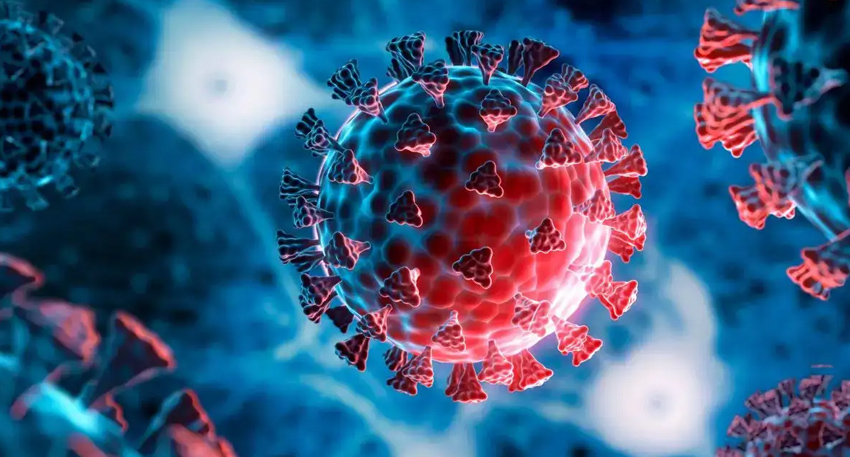
Doctors say the new H3N2 strain, described as “unpleasant”, is spreading faster than expected and could put extra pressure on the National Health Service (NHS) ahead of Christmas. They caution that the UK may see one of its toughest flu seasons in decades.
According to the UK Health Security Agency (UKHSA), H3N2 is now the most dominant influenza strain. It is also known as ‘Subclade K’. Experts explained that the letters H and N refer to the virus’s surface proteins, haemagglutinin and neuraminidase, which help it infect human cells.
Experts noted that H3N2 keeps changing, which means the form circulating this year may differ from earlier strains or even from what the seasonal vaccine targets. This makes people more vulnerable to infection.
Symptoms of H3N2:
Doctors say flu symptoms appear quickly. Extreme tiredness, fever, cough, and a runny nose are common. Some patients also experience body aches, vomiting, or diarrhea. The illness behaves much like seasonal flu.
Also Read: Punjab launches free cancer and cardiac treatment cards
Those most at risk include young children, especially under two years of age, adults over 65, pregnant women, and people with asthma, diabetes, heart disease, weakened immunity, or neurological conditions.
Why is this winter worse?
Experts believed that the flu is spreading more rapidly because the season started early, giving the virus more time to circulate. They also pointed out that fewer people have built immunity in recent years, which increases overall vulnerability.
UKHSA data showed that around 8,000 flu-linked deaths were recorded last winter, compared with nearly 3,500 the year before. However, the figure was still below the 16,000 deaths reported in the 2022 to 2023 season.
How to protect yourself?
Doctors said the “most effective” defence against H3N2 remains the flu vaccine, especially for people in higher-risk groups such as older adults, pregnant women, young children, and those with long-term health conditions.
They added that protection improves with simple steps like washing hands often, covering your mouth and nose when coughing or sneezing, avoiding close contact with sick individuals, and keeping indoor spaces well-ventilated.


