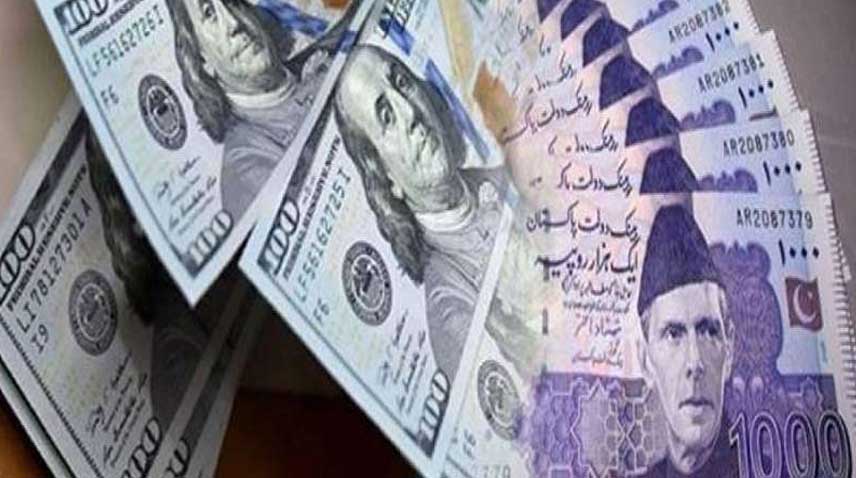
Pakistan’s currency faced fresh pressure on Monday as the US dollar appreciated by 08 paisa in interbank trading. The rupee closed at Rs282.05, compared to the previous day’s Rs281.97, raising new concerns about exchange rate stability.
According to the Forex Association of Pakistan (FAP), the dollar’s buying and selling rates in the open market were recorded at Rs282.65 and Rs284.15 respectively. The open market trend suggests a persistent demand for dollars despite the central bank’s regulatory oversight.
Also read: Gold prices crash in Pakistan - What’s behind sudden Rs2,600 drop?
Meanwhile, the euro made a notable jump of Rs1.60, closing at Rs321.34 against its earlier value of Rs319.74. This sharp gain signals increased eurozone strength and could reshape remittance and trade patterns.
The British pound surged even higher, gaining Rs2.52 and ending the day at Rs382.70. The Japanese yen also showed a marginal increase of 01 paisa, closing at Rs1.97.
Regional currencies followed suit, with the Emirates Dirham rising by 02 paisa to close at Rs76.79, and the Saudi Riyal up by 03 paisa at Rs75.20 — reflecting strong demand for Middle Eastern currencies amid travel and trade outflows.
The rupee’s minor depreciation and simultaneous surge in other foreign currencies highlight an evolving forex scenario. These small shifts may seem routine, but they are vital indicators of global influence, import dependency, and economic vulnerabilities. The consistent upward trend in the euro and pound reflects not just currency strength but growing external reliance. With rising import bills and fluctuating reserves, Pakistan’s forex management faces a tough balancing act in the months ahead.