

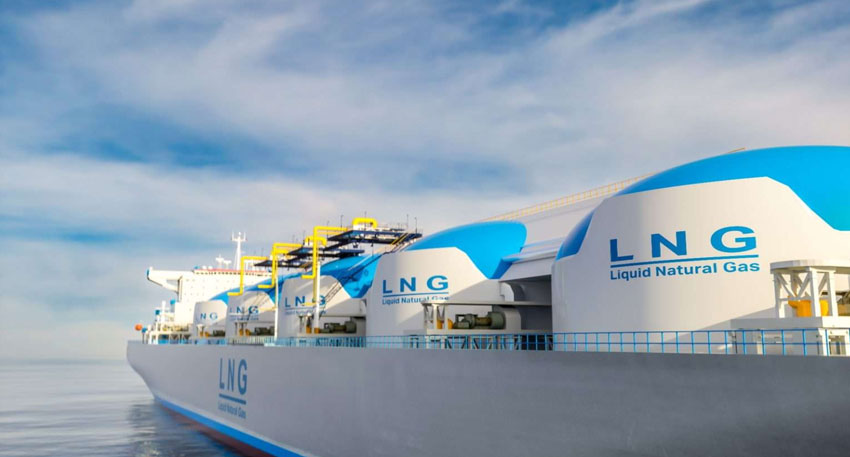
Pakistan may face 2 to 3 hours of daily load shedding despite major relief from off-grid solar and net metering systems. The situation is worsening due to the suspension of LNG imports, mainly affected by tensions in the Middle East involving the US, Iran, and Israel.
As global fuel prices rise, electricity generation using high-speed diesel has become extremely costly, crossing Rs80 per unit. Because of this, the government is expected to avoid generating power through diesel. Instead, furnace oil-based power plants will only be used during peak hours to manage demand.
The disruption in RLNG supply from Qatar has already started impacting the energy sector. Previously, the power sector relied on 10 to 15 percent imported LNG. In April, gas supply to power plants is expected to drop to just 80 MMCFD, compared to 150 MMCFD in March. Authorities are also considering a complete gas shutdown for the CNG sector and reduced supply to fertilizer plants.
Also Read: LPG price increases from Rs380 to Rs430 per kilogram
On the positive side, solar energy is providing significant relief. Off-grid and on-grid solar capacity has crossed 19,000 MW, while net metering users are generating over 6,000 MW daily. Without this, the government would have been forced to produce expensive electricity, increasing the burden on consumers.
Currently, electricity demand stands at around 14,000 MW, dropping below 9,000 MW during the day. However, summer demand is expected to surge to 27,000–28,000 MW, increasing the risk of shortages.


