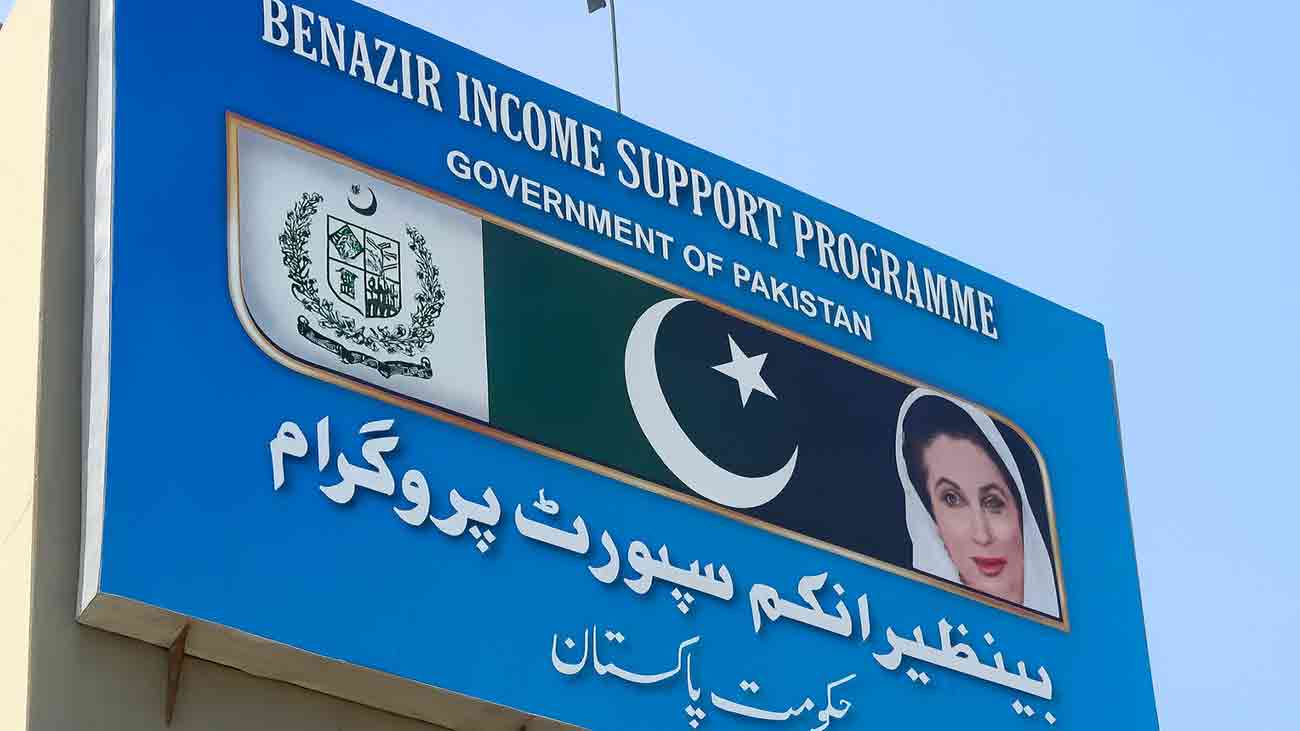
A major relief may be on the way for millions of low income families under the Benazir Income Support Programme BISP. The International Monetary Fund has shown satisfaction over an increase in the programme’s budget and has suggested further raising the Kafalat assistance amount.
According to the IMF, strengthening social protection in Pakistan is a pressing need, and BISP plays a central role in supporting vulnerable households across the country.
The IMF report said that compared to international standards, the cash amount given under the Benazir Kafalat Programme is still low. However, the government’s decision to increase the budget has been described as a positive and encouraging step.
Read more: BISP payments to shift fully to digital system
The institution noted that the BISP budget for social protection has been further stabilised to help maintain the purchasing power of low income groups during difficult economic conditions.
Reports indicate that spending on assistance programmes under BISP has been increased by 20 percent. This rise is expected to directly lead to higher cash payments under the Kafalat scheme.
The proposed plan suggests increasing unconditional cash assistance from Rs13,500 to Rs14,500. This change would provide direct relief to millions of deserving families struggling with rising expenses.
The IMF said that after this increase, at least 200,000 new families are expected to be included in the Kafalat Programme. By the end of fiscal year 2026, the total number of beneficiary families could reach 10.2 million.
The report also recommended that after a new household survey in 2026, the assistance amount should be increased further to better reflect ground realities.
In addition, the IMF advised that Kafalat payments should be regularly adjusted in line with inflation and that the coverage of conditional cash transfer programmes should be expanded to ensure long term and sustainable relief for deserving families.
This move signals growing international support for Pakistan’s social safety net. Higher cash aid could ease daily pressures on poor households. Regular inflation adjustment may prevent future loss of buying power.