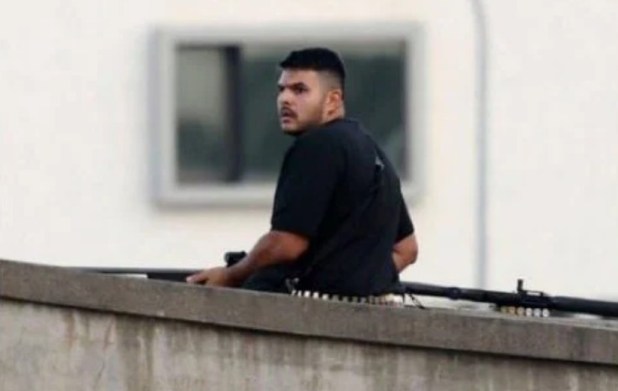
Fresh details surrounding the deadly shooting at Bondi Beach in Sydney have confirmed that the attacker was not Pakistani, contradicting earlier claims circulated by sections of Indian media and social media platforms.
Following the tragic Bondi Beach shooting in Sydney, sections of Indian media and affiliated social media accounts hastily labeled the attacker as Pakistani. However, these reports have now been proven false, with confirmation that the attacker had no proven connection to Pakistan. A close associate of the shooter reportedly stated that the attacker was of Indian origin, shedding light on the misinformation campaign that unfolded overnight.
Australian authorities have identified the attacker as Sajid Akram, who arrived in Australia in 1998 on a student visa and later obtained a partner visa in 2001 after marrying an Australian citizen. Australian Home Affairs Minister Tony Burke confirmed the immigration history, dismissing claims that the attacker entered Australia on a tourist visa.
Investigations further revealed that Sajid Akram had been a registered member of an Australian gun club for over a decade, during which he legally possessed six licensed firearms. Officials also indicated that his ancestral roots trace back to Afghanistan’s Nangarhar province, further distancing the case from Pakistan.
Also Read: Bondi Beach Shooting: Pakistani man exposes Indian propaganda
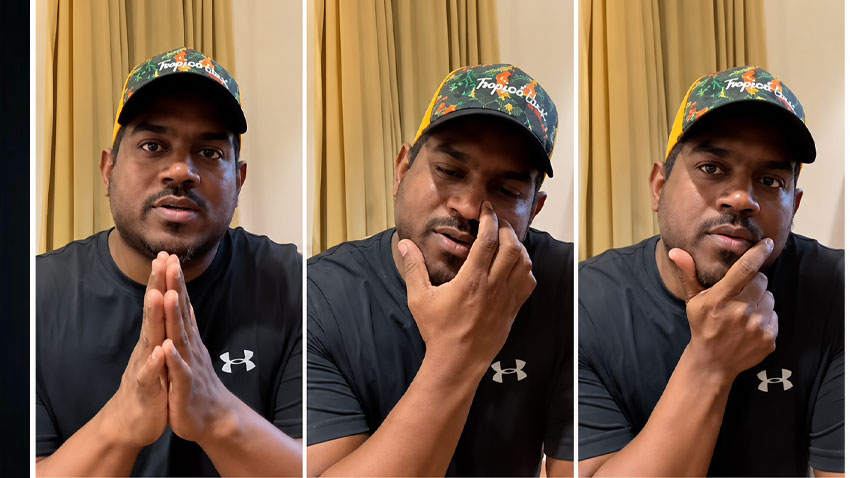
Despite these facts, misinformation spread rapidly online, including false claims involving a Pakistani individual named Naveed Akram. The individual later appeared on social media, categorically denying any involvement and stating that his photograph had been misused to spread false narratives.
Pakistani officials and community representatives in Australia have confirmed that neither Sajid Akram nor Naveed Akram holds Pakistani nationality, and no evidence has surfaced linking the attacker to Pakistan or to any family residing there.
Analysts noted that the misinformation campaign gained momentum before official verification, highlighting the risks of unverified reporting in the digital age. Observers said the situation underscored how quickly false claims can spread during breaking news events, especially across social media platforms.
Meanwhile, even Indian social media users later acknowledged inconsistencies in the original claims. An Indian user, Tejasswi Prakash, wrote on X that she was shocked by emerging details and emphasized that violence against innocent civilians is unacceptable regardless of background.
The Bondi Beach shooting has shocked Australia and renewed global discussions around gun control, misinformation, and responsible journalism, with authorities urging the public to rely only on verified sources during sensitive incidents.
Officials stressed that premature attribution without evidence not only misleads the public but also risks inflaming tensions across communities during times of tragedy.