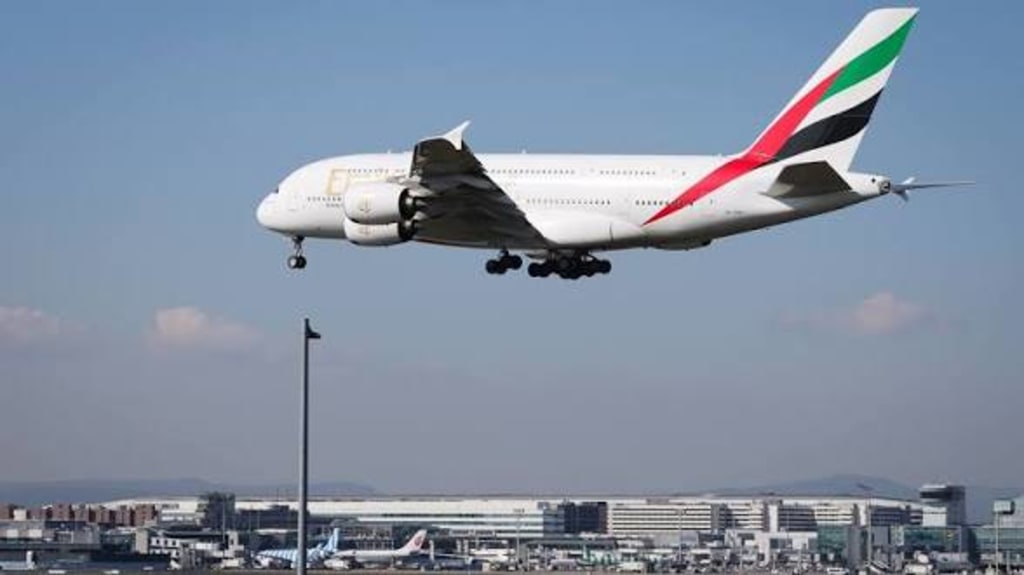
The United Arab Emirates (UAE) has partially restored commercial air travel, reaching 44.6% of pre-war aviation capacity, officials confirmed. The announcement follows weeks of airspace closures and flight cancellations triggered by the ongoing Middle East conflict involving Iran and allied strikes, which forced airlines to suspend operations and reroute flights for safety.
From March 1 to March 12, UAE airports handled 1.4 million passengers, according to the General Civil Aviation Authority (GCAA), signaling a gradual but significant recovery in air traffic.
Dubai and Abu Dhabi Airports Resume Limited Operations
The GCAA confirmed that Dubai and Abu Dhabi airports have progressively reopened limited flight services, allowing airlines to restore nearly half of their pre-crisis flight schedules. Aviation experts highlight that this phased return is crucial for repatriation, passenger mobility, and economic stability, especially for the UAE’s vital tourism and travel sectors.
Thousands of stranded passengers have benefited from the partial resumption, reducing international travel backlogs and enabling smoother repatriation. However, full restoration remains uncertain due to regional security risks and ongoing tensions, with some carriers still operating reduced flight schedules.
Also Read: Airblue resumes Pakistan–UAE flights - Full schedule announced
Temporary Measures for Passengers and Residents
In response to travel disruptions, UAE authorities introduced temporary measures to support tourists, residents, and visitors affected by flight cancellations. Effective February 28, 2026, the measures include:
- Temporary visa extensions for overstaying visitors on tourist or visit visas.
- Waived fines for affected residents who canceled residency or exit permits.
- Support applies to travelers impacted by cancellations at Dubai, Abu Dhabi, and other UAE airports.
These initiatives aim to balance aviation safety and connectivity, ensuring travelers and residents are not penalized while gradually restoring normal travel operations.
Impact on Regional Travel and Economy
The partial resumption of UAE flights supports thousands of international passengers, reconnects trade and tourism, and stabilizes the Middle East aviation sector. Experts warn that regional tensions could still affect flight schedules, but the UAE’s strategic approach emphasizes safety, efficiency, and international connectivity.