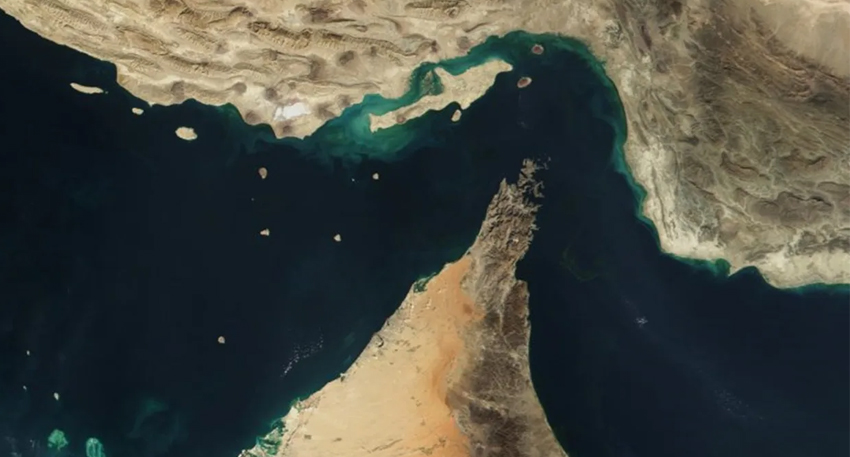
In a recent interview, Rezaei emphasized Iran’s control over the vital maritime passage, noting the geographical and logistical challenges involved. He explained that it takes approximately seven to eight hours for a vessel to enter the strait, maneuver through its narrowest section, and exit on the other side. According to him, this limited navigational window ensures that Iran can maintain full operational dominance over the chokepoint if necessary.
The Strait of Hormuz is one of the world’s most critical energy corridors, through which a significant portion of global oil supplies is transported daily. Any disruption to this route could have far-reaching economic and geopolitical consequences.
Also Read: Strait of Hormuz Crisis: UK calls emergency meeting of 35 nations to reopen oil route
Meanwhile, former U.S. President Donald Trump addressed the issue in remarks to the nation, asserting that the United States neither depends on nor intends to rely on oil shipments through the Strait of Hormuz. He suggested that countries lacking domestic oil resources could source energy directly from the U.S., while those unable to do so would need to secure supplies independently through the strait.
The contrasting statements highlight rising tensions over energy security and control of key global trade routes.