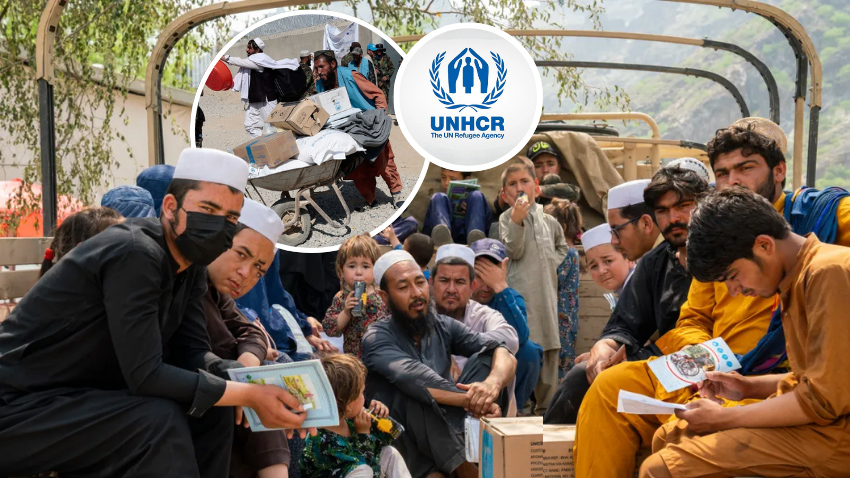
The United Nations has now warned that the country’s aid system is under severe pressure and may not be able to cope with the growing numbers.
Afghanistan is already facing a worsening hunger crisis. The situation has become more serious due to mass deportations from Pakistan and Iran, cuts in foreign aid, and a struggling economy.
Arafat Jamal, the UN refugee agency representative for Afghanistan, said the situation is deeply worrying. He told a press briefing that the country is facing a “massive demographic shock” as the returnees make up around 12 percent of the population.
Also Read: BNP sweeps Bangladesh election shock
Last year alone, about 2.9 million people crossed back into Afghanistan. So far this year, another 150,000 have returned. Thousands are arriving daily, putting heavy pressure on food supplies, shelter, and basic services.
Many returnees come back with little or nothing. They struggle to find jobs, homes, and healthcare in a country already dealing with poverty and natural disasters.
The UN refugee agency needs $216 million this year to support displaced people and returnees. However, only 8 percent of the required funding has been received so far. This funding gap is making it harder to provide urgent help.
Officials say that without immediate support, the humanitarian system could become overwhelmed. The rising number of people in need is stretching resources to their limits.