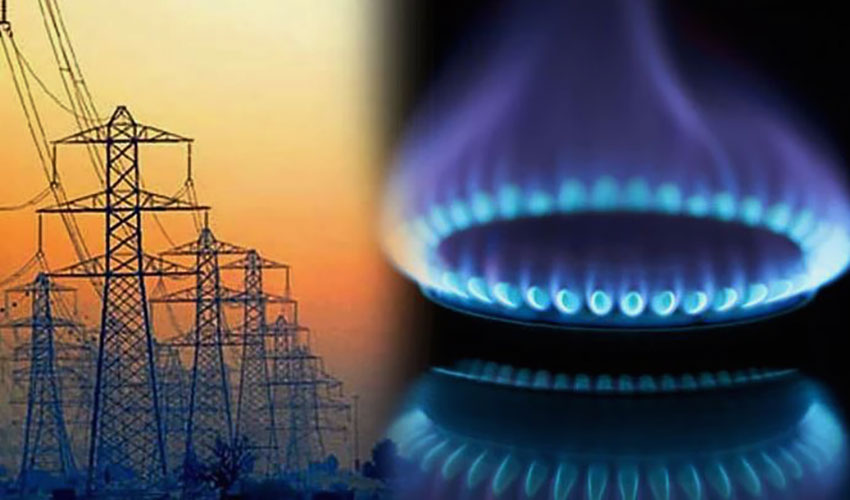
The government has finalized a major energy subsidy reform plan, deciding to abolish cross subsidies and recover the full cost of electricity and gas from consumers in the coming period.
According to sources in the Power Division, the new policy shifts Pakistan from blanket subsidies to targeted financial assistance, ensuring that only genuinely deserving households benefit from state support.
Only BISP Beneficiaries to Receive Subsidy
Under the revised framework, subsidies will be limited to eligible electricity consumers registered under the Benazir Income Support Programme (BISP). All other residential, commercial, and industrial users will be charged full market-based tariffs.
The Power Division has begun data integration with BISP to accurately identify deserving households and prevent misuse of subsidies. Officials emphasized that no additional burden will be shifted onto other consumers or sectors through cross-subsidy mechanisms.
Gas Sector Cross Subsidy Also to Be Phased Out
Sources confirmed that the gas sector will also see the elimination of cross subsidies, which currently amount to nearly Rs225 billion. The removal of gas cross subsidies is expected to be reflected in the next federal budget, aligning pricing with actual supply costs.
Also Read: Existing solar users to retain net metering benefits
IMF to Be Briefed on Tariff Restructuring
The government plans to formally brief the International Monetary Fund (IMF) on the new tariff restructuring and subsidy reforms.
An IMF review mission is scheduled to visit Pakistan on February 25 for approximately two weeks as part of the third economic review talks. During the visit, the IMF delegation will assess Pakistan’s economic performance from July to December 2025.
Key Areas Under IMF Review
Officials said the IMF mission will receive detailed briefings on:
- Energy sector reforms
- Tax policy and revenue measures
- Monetary policy framework
- Foreign exchange reserves
The move to eliminate cross subsidies is aimed at improving fiscal discipline, reducing losses in the energy sector, and meeting IMF reform benchmarks.