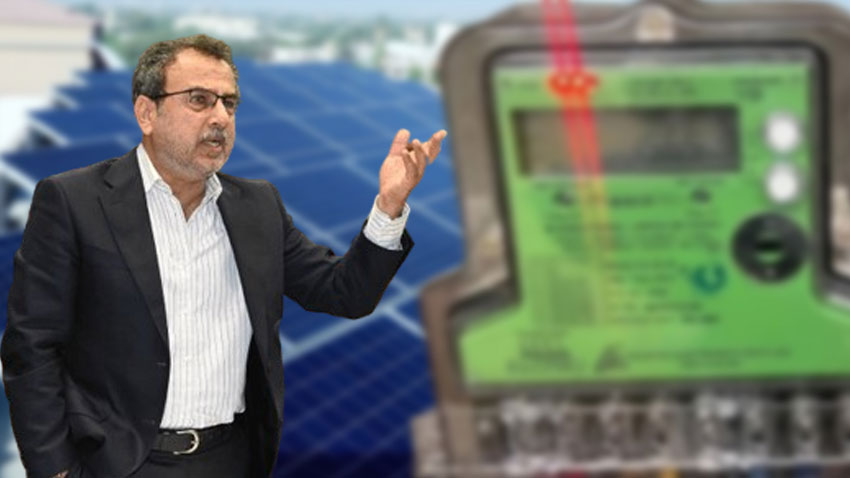
Awais Leghari said that electricity policies were being adjusted to protect ordinary consumers and ensure fairness in billing. He explained that under the previous net metering system, some costs were indirectly shifting to poor consumers, which raised concerns about equality in electricity pricing.
Leghari clarified that the regulator did not withdraw any clause from contracts already signed with consumers. He said all agreements remained valid, and the government respected every commitment made to electricity users.
He rejected claims that consumers were forced into long-term contracts of 20 years. According to him, the contracts were only for seven years, and there was no mention of net metering or net billing differences in those agreements.
The minister also highlighted Pakistan’s progress in clean energy. He said the government had promised that 60 percent of electricity would come from clean energy sources by 2030. He added that the country had already achieved 55 percent clean energy, which showed strong progress toward that goal.
Read more: Net billing replaces net metering: Impact on electricity bills explained
Leghari further stated that Pakistan aimed to reach 90 percent clean energy in the coming years. He described this as a major transformation that would reduce dependence on expensive and polluting fuels.
He also announced that furnace oil was no longer being used in the energy sector. This move is expected to reduce electricity generation costs and protect the environment.
The minister said the government had improved the performance of electricity distribution companies within one year. These improvements were aimed at reducing losses, improving efficiency, and providing better service to consumers.
This change shows the government wants to balance the system. Poor consumers were indirectly paying extra before. Now the focus is on fairness.
Clean energy is increasing fast. This will reduce fuel costs and pollution. But solar users may need to adjust to new billing rules.
The policy shift could reshape Pakistan’s energy future. It may help stability, but public reaction will decide its success.