The Sensitive Price Indicator (SPI), released by the Pakistan Bureau of Statistics (PBS), fell by 0.59 percent for the combined consumption group. The SPI dropped to 331 and 81 points from 333 and 79 points last week, showing short-term relief for consumers.
However, this overall decline did not mean everything became cheaper. Out of 51 essential items, prices of 15 items increased, 15 decreased, and 21 remained unchanged. This shows mixed trends in the market, where some daily-use goods still became more expensive.
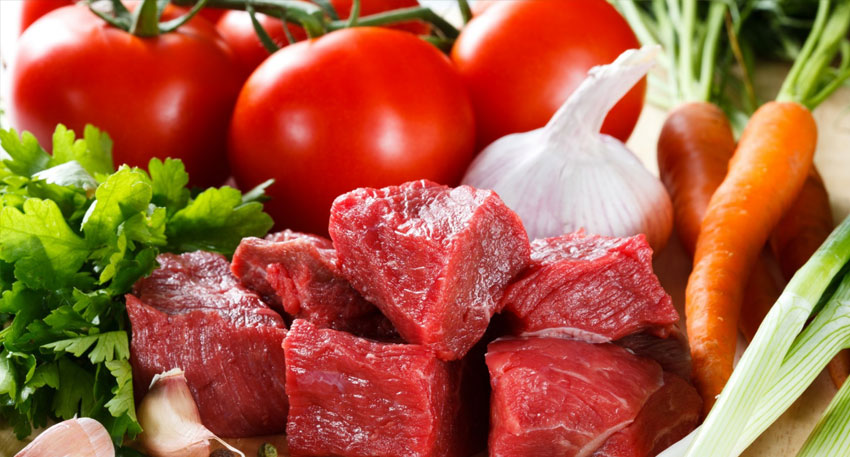
Among the items that became costlier, bananas recorded the biggest increase of 7.62 percent, followed by garlic which rose by 4.35 percent. Pulse mash increased by 2.69 percent, while chilies powder went up by 1.68 percent.
Meat prices also increased, with mutton rising by 0.80 percent and beef increasing by 0.37 percent. Other items that became more expensive included mustard oil by 0.34 percent, shirting by 0.31 percent, cigarettes by 0.24 percent, vegetable ghee 1Kg by 0.08 percent, georgette by 0.02 percent, and lawn printed cloth by 0.01 percent.
Read more: Rupee surprises market as US Dollar weakens in interbank exchange rate
Despite these increases, many essential food items saw major price declines. Eggs dropped by 17.61 percent, tomatoes fell by 12.02 percent, and chicken became cheaper by 6.34 percent. Prices of onions, potatoes, wheat flour, sugar, LPG, and salt powder also decreased, providing some relief.
On a yearly basis, inflation still remained higher by 4.26 percent. Major yearly increases were seen in tomatoes, wheat flour, gas charges, chilies powder, beef, eggs, bananas, LPG, powdered milk, and clothing items.
The SPI tracks prices across 17 urban centres and covers 51 essential items for different income groups. It is considered an important indicator of short-term inflation trends affecting ordinary consumers.
This report shows inflation is not fully under control. Some important food items like bananas, garlic, and meat are still becoming expensive. This affects daily household budgets. Even if overall inflation falls, rising food prices create pressure on people. Future price trends will depend on supply, fuel costs, and economic stability.