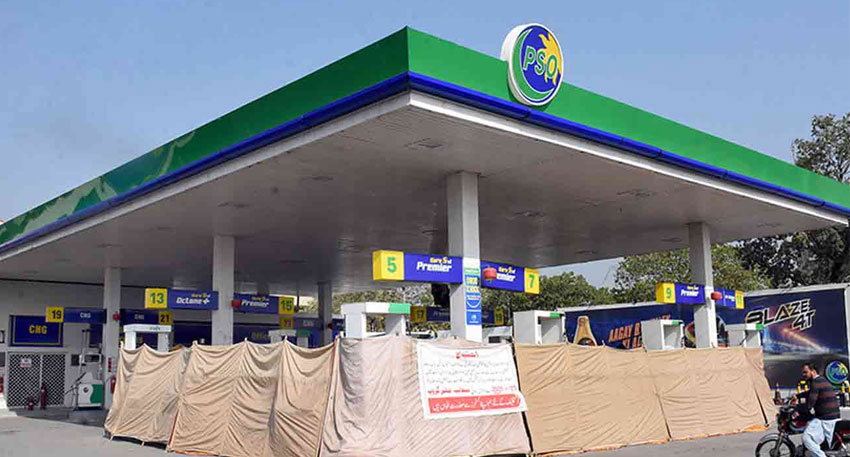
The Pakistan Petroleum Dealers Association has raised serious concerns over a growing shortage of petroleum products across the country. The association warned that if the situation continues and fuel supply is not restored soon, petrol pumps may start closing nationwide from Monday.
According to reports, dealers say the fuel shortage has become severe in many cities. Petrol stations are already struggling to meet the public’s demand, creating fears of a wider disruption in daily travel and transport services.
Central Secretary General Chaudhry Irfan Elahi said petrol supply in Pakistan has dropped by nearly 50 percent. At the same time, diesel supply has fallen to only 20 percent of its normal level. He warned that such a sharp decline could badly affect the transport sector across the country.
Officials representing the dealers association in Lahore and central Punjab urged the government to ensure uninterrupted petrol supply to retail outlets. They stressed that petrol pumps cannot continue operating if deliveries remain limited.
Read more: Petrol, diesel, LPG prices jump as weekly inflation rises again
They also criticized the authorities, saying that in the name of inspections, officials are targeting petrol pumps instead of checking supply depots. According to the dealers, some private companies have started hoarding petroleum products in order to create an artificial shortage in the market.
A day earlier, the All Pakistan Petrol Pump Owners Association had written a letter to Prime Minister Shehbaz Sharif, informing him that petrol pumps are unable to meet public demand due to limited supply.
Meanwhile, tensions in the Middle East are pushing global oil prices upward. The price of crude oil has reached about $84 per barrel in the international market.
China has reportedly ordered its major refineries to stop exporting diesel and petrol, which may further tighten global fuel supply. US media reports say that countries including Japan, Indonesia and India have also reduced refinery production and temporarily suspended fuel exports.
The situation became more serious after Iran reportedly closed the Strait of Hormuz, one of the world’s most important oil shipping routes. This step has disrupted oil supply worldwide, and the United Nations has expressed concern about the possible impact on global energy availability.
Experts warn that if tensions continue and supplies remain disrupted, crude oil prices in the international market could surge to as high as $150 per barrel.
The fuel situation in Pakistan could become difficult if supply does not improve soon. Petrol pump closures may create long queues and travel problems for people. Rising global oil prices may also increase pressure on Pakistan’s fuel market in the coming weeks.